



Construction disputes are an unfortunate but common reality in the construction industry, especially on complex projects with multiple stakeholders, tight timelines and significant financial risk. From payment issues and scope changes to design errors and contract interpretation, disagreements can arise at almost any stage of the construction process. Knowing how to handle construction disputes early and effectively can help protect working relationships, control costs and keep projects moving toward completion instead of litigation.
What Is a Construction Dispute?
A construction dispute is a disagreement between one or more parties involved in a construction project regarding contractual obligations, performance, payment, schedule, quality or risk allocation. These disputes can arise at any stage of the construction process and may involve owners, contractors, subcontractors, suppliers or consultants. If unresolved, construction disputes can escalate into formal dispute resolution processes such as mediation, arbitration or litigation.
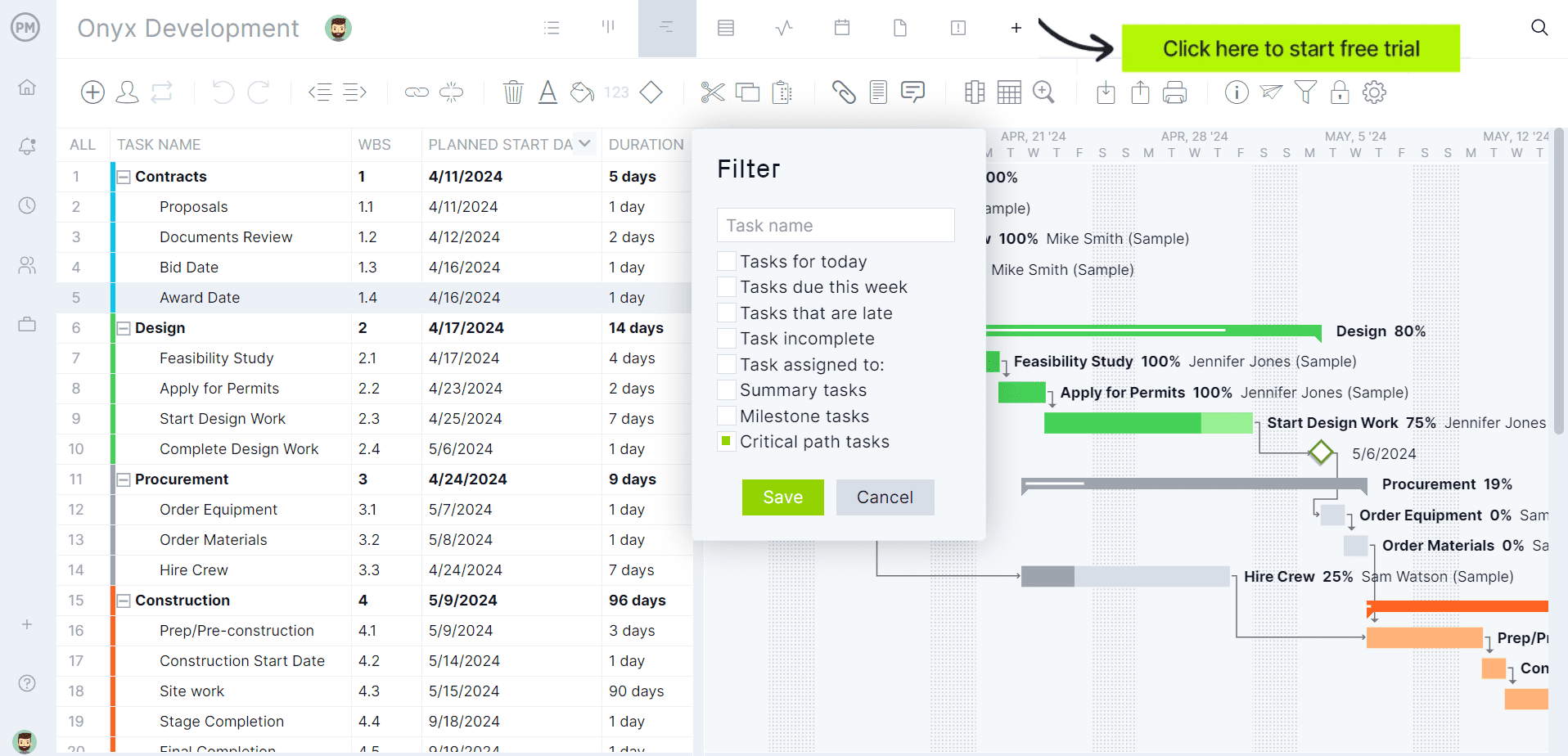
To minimize the risk of construction disputes from occurring, use ProjectManager. Our construction project management software is designed to streamline all phases of a construction project, from planning to completion. Plan projects using the award-winning Gantt chart, then use tools like dashboards and reports to keep stakeholders informed of progress. Our software enables teams to minimize the risk of a construction dispute from happening. Get started for free with a 30-day trial, no credit card needed.
Types of Construction Disputes with Examples
Construction disputes can take many forms depending on where expectations, responsibilities or project conditions break down. Understanding the most common types of construction disputes helps project stakeholders recognize early warning signs, manage risk and choose the most effective resolution strategy. Below, we’ve outlined the most frequent construction dispute categories, along with practical examples that show how and why these conflicts arise during the construction process.
Contractual Construction Disputes
Contractual construction disputes arise when parties disagree over the meaning, scope or enforcement of a construction contract. It’s common for these disputes to involve contract interpretation, scope of work, risk allocation or compliance with contractual obligations. Ambiguous language, conflicting documents or alleged breaches related to performance, payment, schedule or quality often trigger contractual disputes during construction projects.
- Scope interpretation: Disputes occur when parties interpret contract scope differently, leading to disagreements over responsibilities, inclusions, exclusions and required deliverables.
- Ambiguous contract terms: Unclear or poorly drafted clauses create disputes over obligations, risk allocation, pricing assumptions and enforcement during project execution.
- Conflicting drawings or specifications: Inconsistencies between plans, specifications or documents cause disputes regarding which requirements govern construction work.
- Contract breaches: Allegations arise when one party fails to meet contractual obligations related to performance, timing, payment or quality standards.
Payment and Financial Construction Disputes
Payment and financial construction disputes involve disagreements over compensation for completed work, including late payments, nonpayment, withheld retainage or disputed change order values. These disputes frequently surface during progress billing or project closeout, when parties contest final account balances, pricing assumptions or entitlement to additional costs, creating cash flow strain and increasing the risk of formal dispute resolution.
- Non-payment or late payment: Disputes arise when contractors or subcontractors are unpaid or paid late for completed construction work.
- Underpayment or withheld retainage: Conflicts occur over partial payments, withheld retainage amounts or improper deductions from certified payment applications.
- Change order pricing disagreements: Parties dispute the valuation, pricing methodology or entitlement related to approved or disputed change orders.
- Final account settlement disputes: Disagreements arise during closeout over final costs, adjustments, claims and release of remaining contract balances.
Get your free
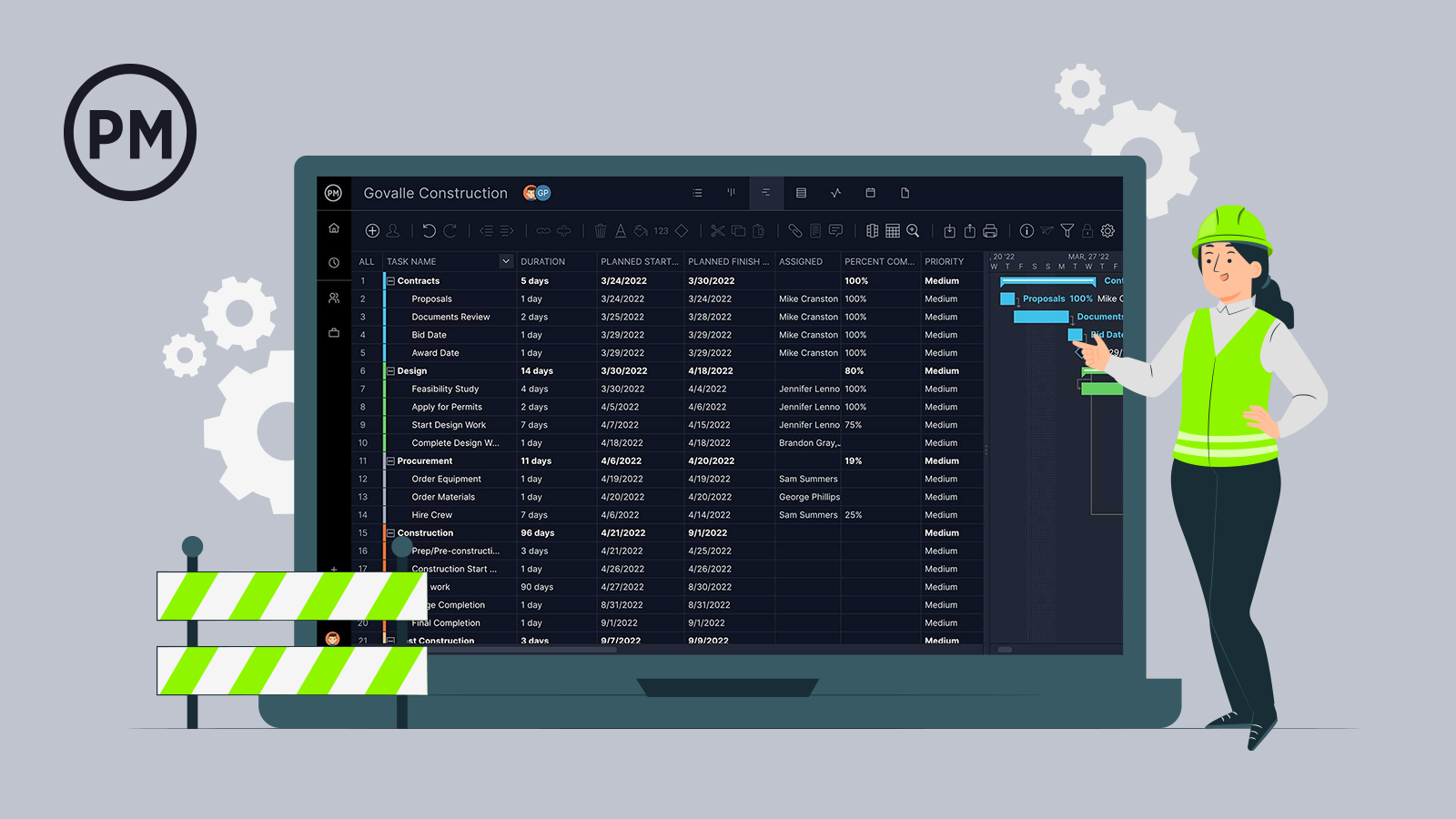
Construction Schedule Template
Use this free Construction Schedule Template to manage your projects better.
Get the Template
Schedule Delay Construction Disputes
Schedule delay construction disputes involve disagreements over project delays and responsibility for time impacts. Common issues include excusable versus non-excusable delays, concurrent delays and entitlement to time extensions or compensation. Disputes may also arise over liquidated damages or acceleration claims when contractors are required to expedite work to recover lost time.
- Excusable vs non-excusable delays: Disputes involve determining whether delays qualify for time extensions or compensation under contract terms.
- Concurrent delays: Conflicts arise when multiple parties contribute to overlapping delays, complicating responsibility and entitlement assessments.
- Liquidated damages: Disputes occur over entitlement, enforceability or calculation of liquidated damages for late project completion.
- Acceleration claims: Contractors claim additional compensation when forced to expedite work to recover the schedule without formal approval.
Related: 20 Best Construction Scheduling Software for 2026 (Free & Paid)
Quality and Workmanship Construction Disputes
Quality and workmanship construction disputes arise when completed work fails to meet contractual standards, specifications or performance expectations. These disputes can involve defective work, rejected installations or disagreements over inspection results. Determining responsibility for rework, corrective action and associated costs is often contentious, particularly when quality standards, inspection criteria or acceptance procedures are not clearly defined in the contract.
- Defective work: Disputes arise when completed work fails to meet contractual quality standards or functional requirements.
- Non-conformance with specifications: Conflicts occur when work doesn’t comply with technical specifications, codes or agreed construction standards.
- Rework responsibility: Parties dispute who bears responsibility and cost for correcting defective or non-compliant construction work.
- Inspection or acceptance disputes: Disagreements arise when work is rejected, conditionally accepted or disputed during inspections or commissioning.
Related: Quality Control Template
Site Condition Construction Disputes
Site condition construction disputes occur when actual site conditions differ from what was represented or reasonably anticipated in contract documents. Unforeseen subsurface conditions, environmental issues or utility conflicts can significantly impact the cost, safety and schedule. These disputes often hinge on risk allocation clauses, notice requirements and whether conditions qualify as differing site conditions under the construction contract.
- Differing site conditions: Disputes arise when actual site conditions differ materially from contract assumptions, affecting cost, schedule, risk allocation and entitlement determinations outcomes.
- Unforeseen subsurface conditions: Conflicts occur over unexpected soil, rock or groundwater conditions discovered during excavation, impacting design, methods, costs, safety and schedules significantly.
- Utilities conflicts: Disputes involve unknown, mislocated or undocumented utilities causing delays, redesign, damage, service interruptions and responsibility disagreements between project parties involved.
- Environmental or geotechnical issues: Conflicts arise from contamination, hazardous materials or geotechnical instability requiring remediation, permits, redesign and additional time or cost impacts assessments.
Subcontractor and Supplier Construction Disputes
Subcontractor and supplier construction disputes typically involve performance, payment or contractual alignment issues across project tiers. Misaligned back-to-back contracts or flow-down clauses can create gaps in responsibility, while delayed payments or delivery failures can disrupt project progress. These disputes often affect multiple parties and require careful coordination to avoid cascading delays or claims.
- Back-to-back contract issues: Disputes arise when subcontract terms do not align with prime contract obligations, creating gaps, conflicts and risk transfer issues downstream.
- Flow-down clause conflicts: Conflicts occur over flow-down clauses imposing prime contract requirements on subcontractors, affecting liability, compliance and enforcement across multiple project tiers.
- Payment pass-through disputes: Disputes involve delayed or disputed payments passed through contractors, often tied to owner payment timing or claim outcomes disagreements persist.
- Performance or delivery failures: Conflicts arise when subcontractors or suppliers fail to meet performance, quality or delivery commitments, affecting project progress, costs, schedules and relationships.
Related: 25 Free Excel Construction Templates
Termination Construction Disputes
Termination construction disputes arise when a construction contract is ended before completion, either for convenience or for cause. These disputes frequently center on whether termination was justified and what compensation is owed. Wrongful termination claims and closeout disagreements can involve significant financial exposure, reputational harm and prolonged dispute resolution if not handled carefully and in accordance with contract terms.
- Termination for convenience: Disputes occur over compensation, demobilization costs and entitlement when owners terminate contracts without contractor fault or proven performance failures documented.
- Termination for cause: Conflicts arise when termination is based on alleged default, disputed performance failures or contested contractual justification under governing contract provisions.
- Wrongful termination claims: Disputes involve claims that termination lacked contractual grounds, causing damages, lost profits and reputational harm to affected contracting parties involved.
- Closeout and compensation disputes: Conflicts occur during closeout over final payments, work valuation, claims resolution and release of contractual obligations documentation, approvals and timing disputes.
8 Common Causes for Construction Disputes
Construction disputes rarely appear out of nowhere—they usually stem from specific underlying issues during the project lifecycle. Understanding the common causes of construction disputes helps project managers, contractors and stakeholders prevent conflicts, manage risks and maintain smoother project execution.
Ambiguous Construction Contracts
Vague or poorly drafted construction contracts are one of the most common sources of disputes. Unclear language around the scope of work, payment terms, risk allocation or responsibilities leaves room for multiple interpretations. When expectations differ between parties, even minor issues can escalate into formal construction disputes.
Scope Creep
Scope creep occurs when work expands beyond the original agreement without proper documentation, approval or compensation. Informal requests, design clarifications or field changes can quietly add cost and time. When these additions aren’t formally managed, disagreements arise over responsibility, pricing and contractual entitlement.
Incomplete Construction Design Documents
Incomplete or inaccurate drawings and specifications often lead to disputes during construction. Missing details, coordination errors or conflicting documents force contractors to make assumptions, which can result in rework, delays and added costs. Disputes arise when parties disagree over responsibility for design gaps or errors.
Poor Communication Between Parties
Breakdowns in communication between owners, contractors, subcontractors and designers frequently lead to construction disputes. Delayed responses, undocumented decisions and inconsistent information create misunderstandings. Without clear communication channels and written records, minor issues can grow into claims, disputes or formal legal action.
Unrealistic Construction Plan
Overly aggressive schedules, insufficient budgets or inadequate resource planning can set projects up for conflict from the start. When expectations don’t align with actual site conditions or production rates, pressure increases across the project. This often results in disputes over delays, costs and performance obligations.

Construction Delays
Delays are a leading cause of construction disputes, especially when responsibility is contested. Weather events, labor shortages, material issues or coordination failures can impact schedules. Disputes arise when parties disagree over whether delays are excusable, compensable or subject to liquidated damages.
Unforeseen Project Risks
Unexpected site conditions, regulatory changes, supply chain disruptions or economic shifts can introduce risks that weren’t fully anticipated. When contracts don’t clearly address how these risks are allocated, disputes emerge over cost impacts, schedule extensions and entitlement to additional compensation.
Flawed Change Management Process
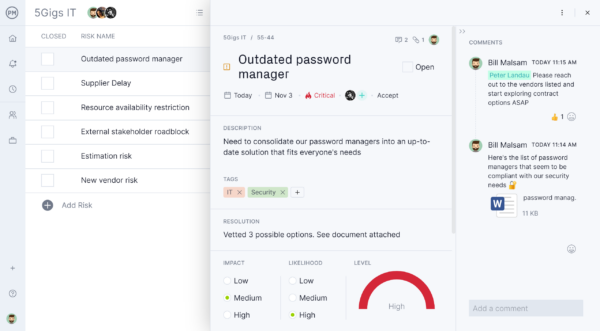
A weak change management process often leads to disputes over scope, cost and schedule impacts. When changes aren’t documented, priced or approved promptly, disagreements arise later during billing or closeout. Clear procedures for change orders help prevent disputes and protect all project stakeholders.
How to Handle Construction Disputes: Construction Dispute Resolution Process
Resolving construction disputes requires a clear, structured approach that protects contractual rights while minimizing delays and costs. Understanding the construction dispute resolution process helps project stakeholders address conflicts early, choose the right resolution method, and keep construction projects moving forward with less disruption and risk.
1. Review the Contract and Project Documents
Start by thoroughly reviewing the construction contract, project drawings, specifications and correspondence. Understanding the agreed-upon terms, obligations and responsibilities helps identify potential breaches, ambiguities or conflicts. A careful document review lays the foundation for resolving disputes accurately and fairly.
2. Identify the Dispute Type and Root Cause
Determine whether the dispute involves payment, schedule, quality, site conditions or subcontractor performance. Analyze the underlying cause, such as design errors, unforeseen conditions or contract misinterpretation. Understanding the root issue ensures the chosen resolution method directly addresses the conflict and prevents recurrence.
3. Document Facts, Impacts and Supporting Evidence
Compile a detailed record of events, correspondence, delays, costs and damages. Include photographs, inspection reports and other evidence. Clear documentation strengthens your position during negotiation, mediation or litigation and provides an objective basis for assessing liability and compensation.
4. Provide Formal Notice to the Other Party
Notify the other party of the dispute in writing according to contract requirements. Include a clear summary of the issue, impacted obligations and desired resolution. Providing formal notice establishes a documented timeline and demonstrates professionalism while preserving legal rights.
5. Attempt a Construction Dispute Resolution Method
Before resorting to litigation, use contractually agreed alternative dispute resolution methods. Options such as mediation, arbitration, adjudication or negotiation allow parties to resolve conflicts efficiently. Engaging early often reduces costs, maintains relationships and achieves mutually acceptable outcomes.
- Construction Dispute Mediation: Mediation involves a neutral third party facilitating discussion between disputing parties. The mediator helps clarify issues, explore options and guide parties toward a voluntary, non-binding resolution. Mediation is collaborative, cost-effective and often preserves ongoing working relationships.
- Construction Dispute Adjudication: Adjudication provides a rapid, temporary decision by a neutral adjudicator. The ruling is binding unless challenged later. It addresses urgent disputes, often related to payments or scheduling issues, keeping the project moving.
- Construction Dispute Arbitration: Arbitration is a formal, legally binding process where a neutral arbitrator or panel decides the outcome. It is less public than litigation, can be faster and allows for specialized expertise in construction law. Arbitration awards are enforceable in courts.
- Construction Dispute Negotiation: Negotiation involves direct discussions between parties to reach a mutually agreeable solution. It’s flexible, informal and can resolve disputes quickly without third-party involvement.
- Dispute Review Board (DRB) or Dispute Adjudication Board (DAB): A DRB or DAB consists of neutral experts who review project issues periodically and provide recommendations or decisions. These boards prevent disputes from escalating and encourage collaboration through early intervention during project execution.
- Expert Determination: An independent expert evaluates technical or specialized issues, such as engineering or design matters. Their determination provides a fast, authoritative resolution for highly technical disputes that might otherwise require lengthy investigation or litigation.
- Partnering Session or Executive Escalation Meeting: Senior management from both parties convenes to review disputes, align priorities and resolve issues collaboratively.
6. Escalate to Litigation Only If Necessary
If all alternative resolution methods fail, litigation becomes the final recourse. It is costly, time-consuming and public. Escalate disputes to a construction litigation attorney or court only after exploring mediation, arbitration and negotiation, ensuring all contractual obligations have been respected.
Free Related Construction Project Management Templates
Project management templates are a simple and effective way to streamline work, especially in construction projects. We have hundreds of free templates on our site, and below are only a few that relate to preventing construction disputes.
Construction Scope of Work Template
This template helps you clearly define project responsibilities, deliverables, and expectations before work begins. A well-documented scope of work reduces ambiguity, minimizes misunderstandings between parties, and strengthens your position if a construction dispute arises over contractual obligations.
Construction Budget Template
Track and manage project costs with this budget template to prevent payment disputes and claims over unforeseen expenses. Accurate budgeting helps stakeholders agree on financial expectations up front, paving the way for clearer communication and fewer conflicts over additional costs or change orders.
Construction Risk Assessment Template
Use this risk assessment template to identify, evaluate, and plan for potential construction risks early in the project. By anticipating common causes of disputes, such as schedule delays, site conditions or contract gaps, you can implement mitigation strategies and reduce the likelihood of disputes later.
How ProjectManager Helps Prevent Construction Disputes
ProjectManager helps reduce construction disputes by improving clarity, accountability and communication across every phase of a project. Centralized project data ensures all parties work from the same information, minimizing misunderstandings before they escalate into claims or legal conflicts.
Build Detailed Construction Schedules
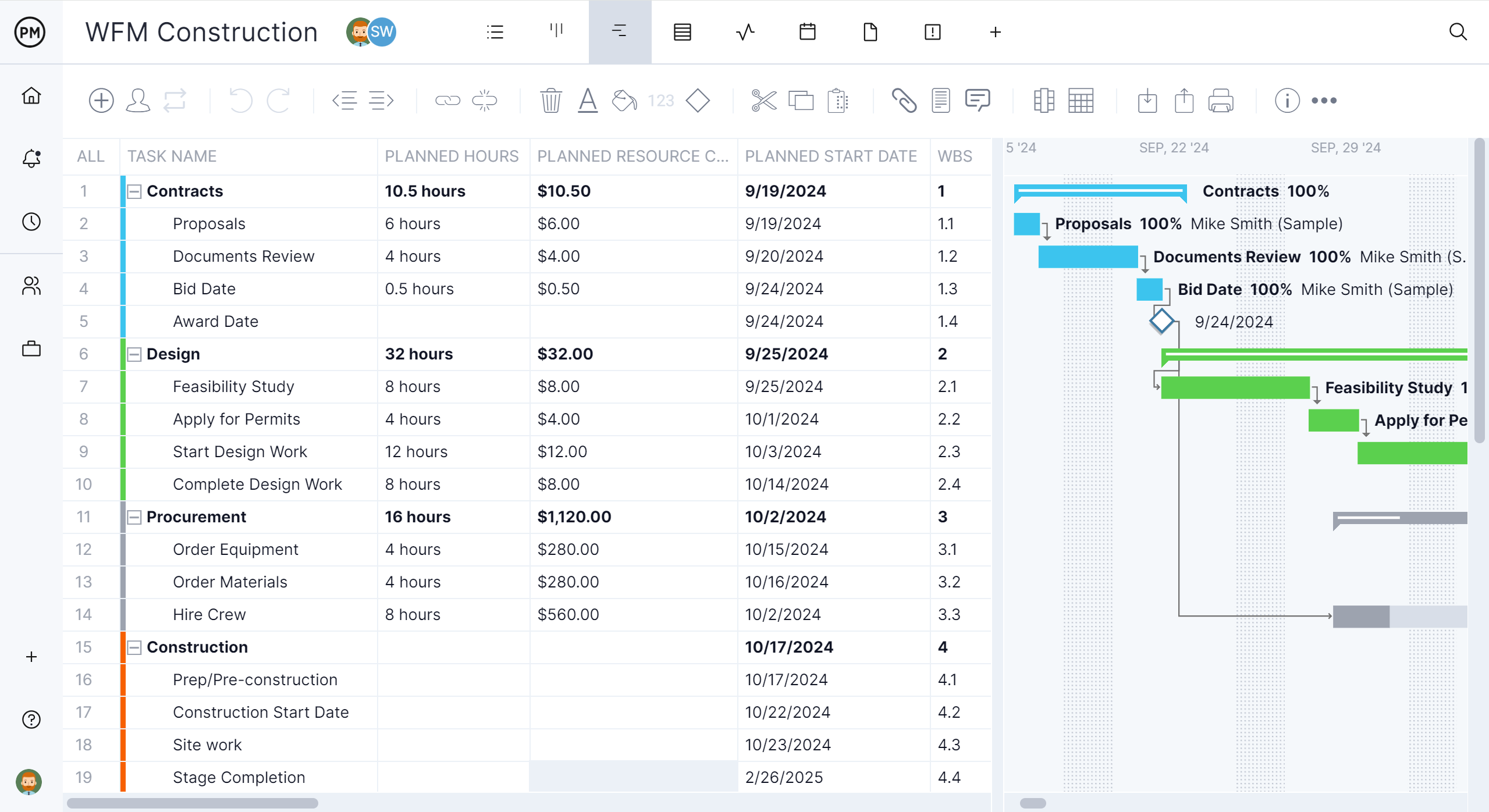
Interactive Gantt charts allow construction teams to build and adjust detailed construction schedules, set task dependencies and identify the critical path in one convenient location. By clearly visualizing timelines and delays, teams can proactively address potential disputes related to late delivery, acceleration claims or liquidated damages. Plus, with features like version control, it’s easy to track all project updates to lessen the chance of construction disputes.
Related Construction Project Management Content
- 8 Free Construction Forms for Excel and Word
- 14 Types of Construction Contracts: Pros, Cons & Best Practices
- How to Manage a Construction Project Step by Step
- 10 Types of Construction Projects with Examples
- The Construction Process Explained Step-by-Step
ProjectManager is online construction project management software that connects teams, whether they’re in the office or on the job site. They can share files, comment at the task level and stay updated with email and in-app notifications. Get started with ProjectManager today for free.
