



What Is Production Optimization?
Production optimization is a systematic process used to improve how goods are manufactured by maximizing output, quality and efficiency while minimizing cost and waste. It is commonly used in manufacturing plants to refine production lines, allocate labor and equipment effectively and increase throughput.
On the shop floor, this means reviewing production reports, machine logs and downtime records to find where work slows down or fails. Teams rebalance lines, adjust machine settings, reschedule jobs, fix bottlenecks, improve material flow and standardize tasks so output increases and problems stop repeating.
When Should Production Optimization Be Done?
In manufacturing environments, production optimization is rarely done at the very start of operations. It usually takes place after a production line has been running long enough to generate reliable data, whether over a month or a full production cycle. That information establishes a baseline for evaluating performance, identifying inefficiencies and measuring the impact of improvements. Without historical data, changes are based on guesswork instead of actual production behavior. Allowing processes to run first helps uncover patterns in output, downtime and quality, making optimization efforts more targeted, measurable and effective.
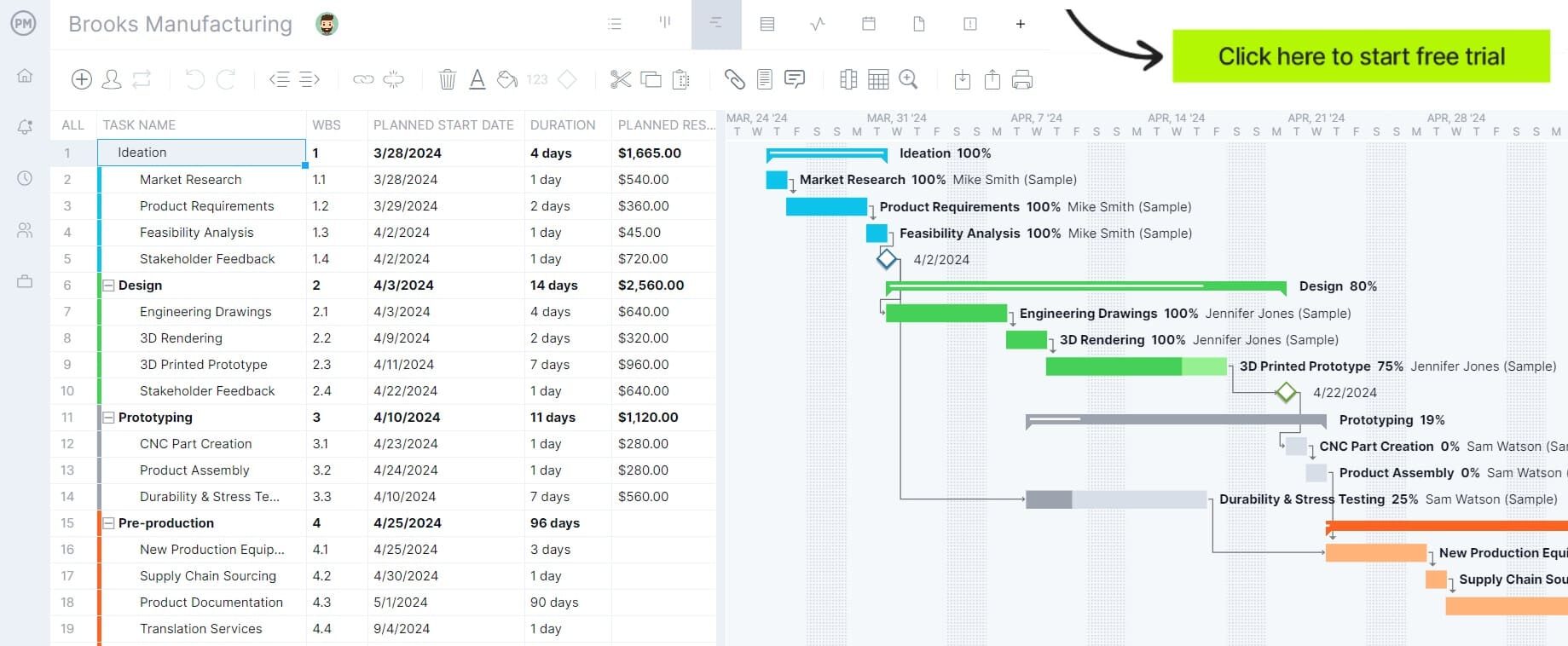
ProjectManager is an award-winning project management software that is equipped with tools that allow manufacturers to plan, schedule and monitor their projects from start to finish. Use Gantt charts to make production roadmaps, manage workflows with kanban boards, allocate resources with workload charts, track costs with timesheets and monitor your projects with real-time dashboards and reports. Get started for free today.
Benefits of Production Optimization
Once a manufacturing line is tuned using real production data, day-to-day operations become far more predictable. Instead of constant firefighting, teams see steadier output, fewer defects and smoother handoffs between machines and workstations.
Production Quality Benefits
On a busy production line, most quality issues don’t come from one big failure but from small inconsistencies adding up. By tightening process control and standardizing how work is performed, manufacturers can catch problems earlier, reduce variation and produce more reliable, consistent output without relying on rework.
In practice, this leads to:
- More consistent product specifications across batches and shifts
- Lower scrap rates, preserving materials and production capacity
- Fewer customer complaints and returns due to improved reliability
Production Output Benefits
Across most manufacturing plants, output is limited by how smoothly work moves through the line. When delays between steps are reduced and bottlenecks are removed, production speeds up naturally, allowing more units to be completed within the same shift without adding extra pressure on people or equipment.
The results from such production optimization adjustments are usually:
- Higher number of finished units produced per shift
- Shorter production cycles from start to completion
- Greater use of available production capacity
Production Efficiency Benefits
Production efficiency improves when the same output is achieved with fewer wasted resources. Production optimization targets unnecessary motion, excess material use and idle equipment time so labor, machines and materials are used more effectively throughout the entire manufacturing process.
These improvements typically include:
- Lower material usage per unit produced
- Reduced unnecessary operator movement during tasks
- Better coordination between production steps
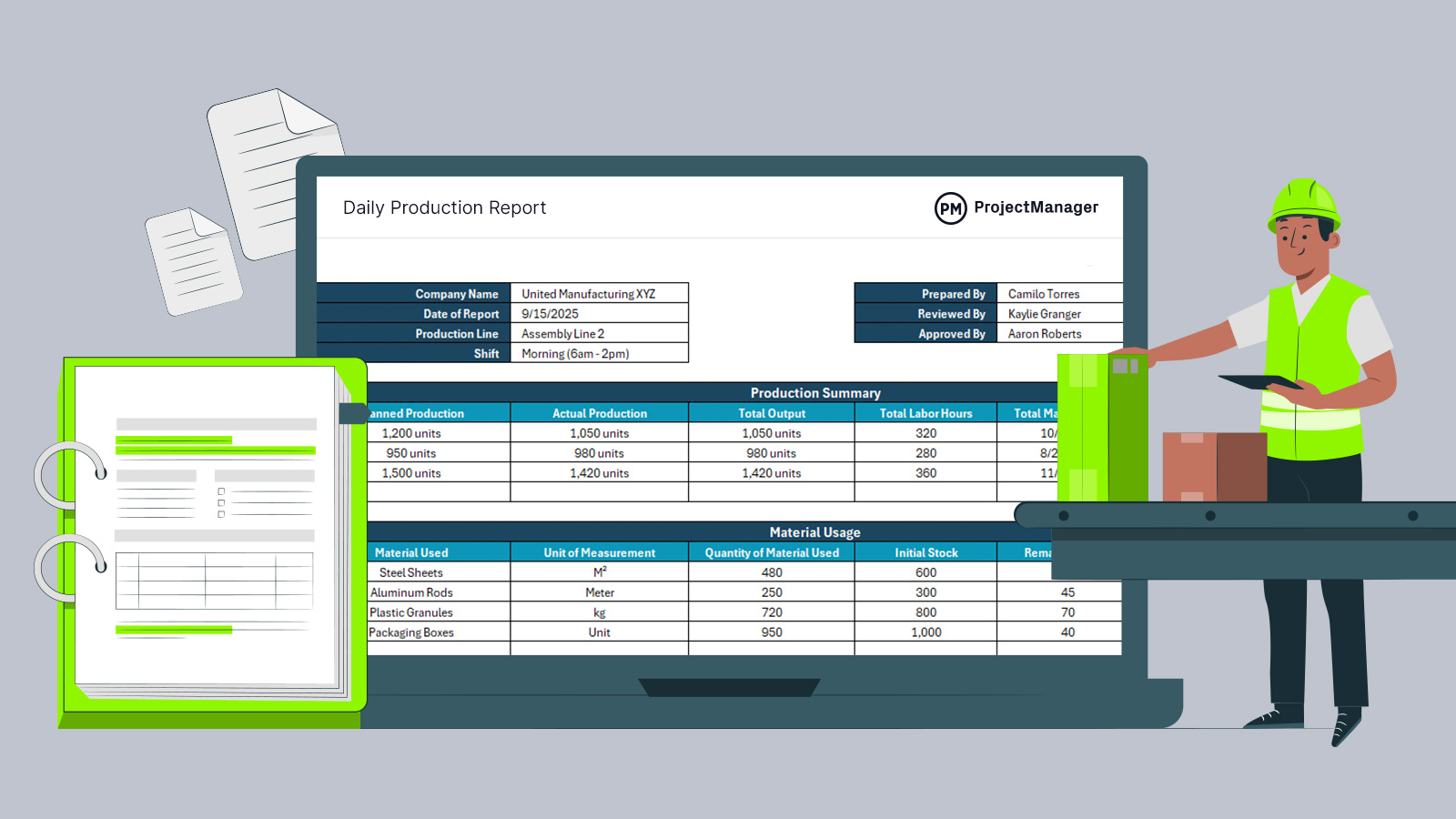
Get your free
Daily Production Report
Use this free Daily Production Report for Excel to manage your projects better.
Production Cost Benefits
Costs come down when waste, rework and downtime are brought under control. Production optimization targets the areas where money is lost on the floor—materials, labor and machine time—so the same output can be achieved with fewer resources and more predictable production expenses.
From an operational standpoint, this means:
- Reduced material spending due to less waste
- Lower production costs from improved productivity
- More predictable operating expenses over time
Production Safety Benefits
Safety improves when production processes are organized, predictable and properly controlled. By removing hazards, standardizing tasks and ensuring equipment is used correctly, manufacturers can reduce accidents on the floor while maintaining steady operations without unnecessary risk to workers.
Over time, after production optimization measures have been taken, teams start seeing:
- Fewer workplace injuries and safety incidents
- Improved compliance with safety regulations
- Reduced production disruptions caused by accidents
Production Maintenance Benefits
Maintenance becomes more effective when it is planned instead of reactive. Production optimization ensures equipment is serviced based on usage and performance data, reducing unexpected breakdowns and keeping machines running consistently throughout the production cycle.
This translates into:
- Reduced frequency of unexpected equipment failures
- Longer operational lifespan of machines and assets
- More reliable production schedules due to consistent equipment performance
Production Optimization Process
Improving a manufacturing operation doesn’t happen all at once. It’s a step-by-step process where teams first understand current performance, then identify where production slows down and finally make targeted adjustments to stabilize and improve output, quality and overall efficiency.
1. Establish a Baseline
Before making changes, teams need a clear picture of how production currently performs. Establishing a baseline means capturing real data on output, downtime and quality so there’s a reliable point of comparison. This step ensures every improvement is measured, validated and tied to actual production results.
To build that baseline, teams typically:
- Record daily and shift-level production output
- Track downtime by type, duration and cause
- Measure defect rates and rework levels
- Capture cycle times for key production steps
- Review historical production reports to identify patterns
2. Evaluate Production Flow
Once performance is understood, the next step is to see how work moves through the line. Evaluating production flow reveals delays between steps, uneven workloads and areas where materials or tasks pile up. This helps teams pinpoint where the process breaks down and where improvements will have the most impact.
To understand how work actually flows, you’ll want to:
- Map each step in the production process from start to finish
- Identify bottlenecks where work accumulates
- Observe waiting time between operations
- Check for unnecessary movement of materials or operators
- Analyze how consistently work flows across shifts
3. Review Machine & Equipment Performance
With flow issues identified, attention shifts to the machines doing the work. Reviewing equipment performance helps uncover slow cycles, minor stops and inconsistent output that reduce overall productivity. Understanding how machines actually perform allows teams to fix issues that quietly limit production capacity.
To uncover equipment-related losses, the next step is to:
- Compare actual machine speed against rated capacity
- Track frequency and causes of minor stops
- Review equipment maintenance logs for recurring issues
- Check calibration and setup consistency between runs
- Measure equipment uptime and availability
4. Assess Labor Utilization
After reviewing machines, the next step is understanding how labor is used across the line. Assessing labor utilization shows where operators are overloaded, idle or misaligned with production needs. This step helps balance workloads, improve productivity and ensure people are supporting the flow instead of slowing it down.
To see how labor is really being used, start by:
- Compare workload across operators and workstations
- Identify idle time or waiting during production cycles
- Observe task execution to spot inefficiencies or delays
- Check if staffing levels match production demand
- Evaluate operator training and skill gaps affecting performance
5. Optimize Routing, Scheduling and Sequencing
With labor and equipment understood, production planning decisions come into focus. Optimizing routing, scheduling and sequencing ensures work moves through the right steps in the right order at the right time. This reduces delays, minimizes changeovers and keeps production running without unnecessary interruptions or conflicts.

To bring routing, scheduling and sequencing under control, teams should:
- Review routing paths to eliminate unnecessary steps
- Sequence jobs to reduce setup and changeover time
- Align schedules with machine and labor availability
- Use techniques such as a 5S audit or a gemba walk to identify opportunities for improvement
- Adjust production plans based on demand and capacity
6. Improve Production Line Balance
Once scheduling is aligned, the focus shifts to how evenly work is distributed. Improving line balance ensures each station operates at a similar pace, preventing bottlenecks and idle time. This step helps maintain a steady flow so production moves consistently without slow points disrupting the entire line.
To even out the pace across the line, focus on:
- Compare cycle times across all stations on the line
- Redistribute tasks to balance workloads evenly
- Identify stations that consistently slow down output
- Adjust staffing or equipment where needed
- Test changes to confirm smoother production flow
7. Reduce Waste and Rework
With flow stabilized, attention turns to losses that reduce overall performance. Reducing waste and rework focuses on eliminating scrap, defects and unnecessary effort. By fixing root causes and tightening processes, manufacturers can improve output quality while lowering costs tied to repeated work and material loss.
To eliminate losses at this stage, it’s important to:
- Track scrap and defect rates by product or process step
- Identify root causes behind recurring quality issues
- Eliminate unnecessary steps that add no value
- Standardize processes to prevent repeat errors
- Monitor improvements to ensure waste stays reduced
8. Standardize Processes
Once improvements are proven, they need to be locked in so results don’t drift over time. Standardizing processes ensures every operator follows the same methods, keeping output consistent across shifts. This step prevents variation from creeping back in and makes future improvements easier to apply and sustain.
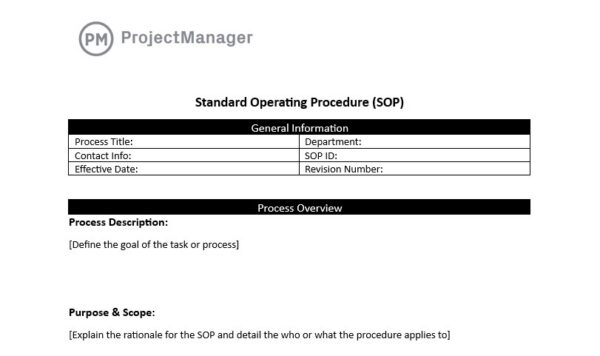
To lock in these improvements, teams need to:
- Document standard operating procedures for each task
- Define clear steps, timings and expected outputs
- Train operators to follow standardized workflows
- Use visual guides or checklists on the production floor
- Audit processes regularly to ensure compliance
9. Streamline Maintenance Activities
Reliable production depends on machines that run without constant interruptions. Streamlining maintenance activities shifts the focus from reactive fixes to planned upkeep, reducing breakdowns and keeping equipment available. This step helps stabilize production by ensuring machines perform consistently throughout each production cycle.
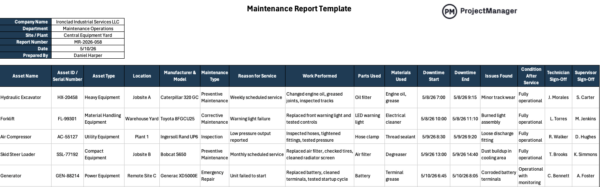
To keep machines reliable without disruptions, you should:
- Schedule preventive maintenance based on usage and run time
- Prioritize critical equipment that impacts production flow
- Track recurring failures to address root causes
- Ensure spare parts are available to avoid repair delays
- Coordinate maintenance timing to minimize production disruption
10. Implement Continuous Improvement
Production optimization doesn’t end after one round of changes. Implementing continuous improvement ensures teams keep refining processes based on new data and evolving conditions. This step turns optimization into an ongoing effort, allowing manufacturers to sustain gains, adapt quickly and keep improving performance over time.
To keep improving over time, teams continue to:
- Track key production metrics and compare them against baseline data
- Review performance regularly to identify new improvement areas
- Encourage operator feedback on process issues and ideas
- Test small changes before rolling them out across the line
- Apply successful improvements consistently across operations
Free Production Management Templates
We’ve created dozens of free manufacturing templates for Excel, Word and Google Sheets, so you can keep your easily create manufacturing documents.
Production Scheduling Template
This production scheduling template helps plan and track manufacturing orders, production quantities, inventory levels and delivery dates. It provides visibility into timelines, coordinates workloads and ensures production runs stay aligned with demand.
Daily Production Report Template
This daily production report template helps track output, labor, machine usage, materials, downtime and quality in one place. It gives teams a clear view of performance, issues and shift-to-shift production continuity.
How ProjectManager Helps Manufacturing Businesses
Keeping production on schedule while managing resources, costs and changing priorities requires more than spreadsheets or disconnected tools. Manufacturing project management becomes easier when teams can plan, track and adjust work in one centralized system. ProjectManager brings together production scheduling, resource planning and performance tracking so production teams can stay aligned and make faster decisions on the shop floor.
With interactive Gantt charts, manufacturing teams can build detailed production schedules, map task dependencies, identify milestones and adjust timelines as conditions change. Resource management tools allow managers to assign labor, equipment and materials efficiently, while monitoring resource availability and avoiding bottlenecks. Real-time dashboards and reports provide instant visibility into progress, costs and workload, helping teams identify issues early and maintain control over production performance.
Teams can also collaborate more effectively using kanban boards and task lists that track work at every stage of the manufacturing process. Thanks to these and other tools and features, ProjectManager helps manufacturing businesses improve efficiency, reduce delays and deliver consistent results. Watch the video below to learn more!
ProjectManager is award-winning software for managing any project. Our collaborative platform connects your teams and gives you access to the manufacturing floor no matter where you are or what time it is. Get started with ProjectManager today for free.
