



Construction projects involve hundreds of cost decisions long before a building takes shape. Materials must be measured, budgets must be forecast and contracts must align with the real scope of work. Quantity surveying sits at the centre of those decisions, helping project teams translate drawings and specifications into reliable cost control throughout the construction lifecycle.
What Is Quantity Surveying In Construction?
Quantity surveying in construction is the professional practice of measuring, estimating and controlling project costs from early planning through final account settlement. It involves preparing cost plans, producing bills of quantities, managing tendering and monitoring project expenditure during construction. Quantity surveying ensures materials, labour and contract costs are accurately quantified so projects can be priced, procured and delivered within an agreed construction budget.
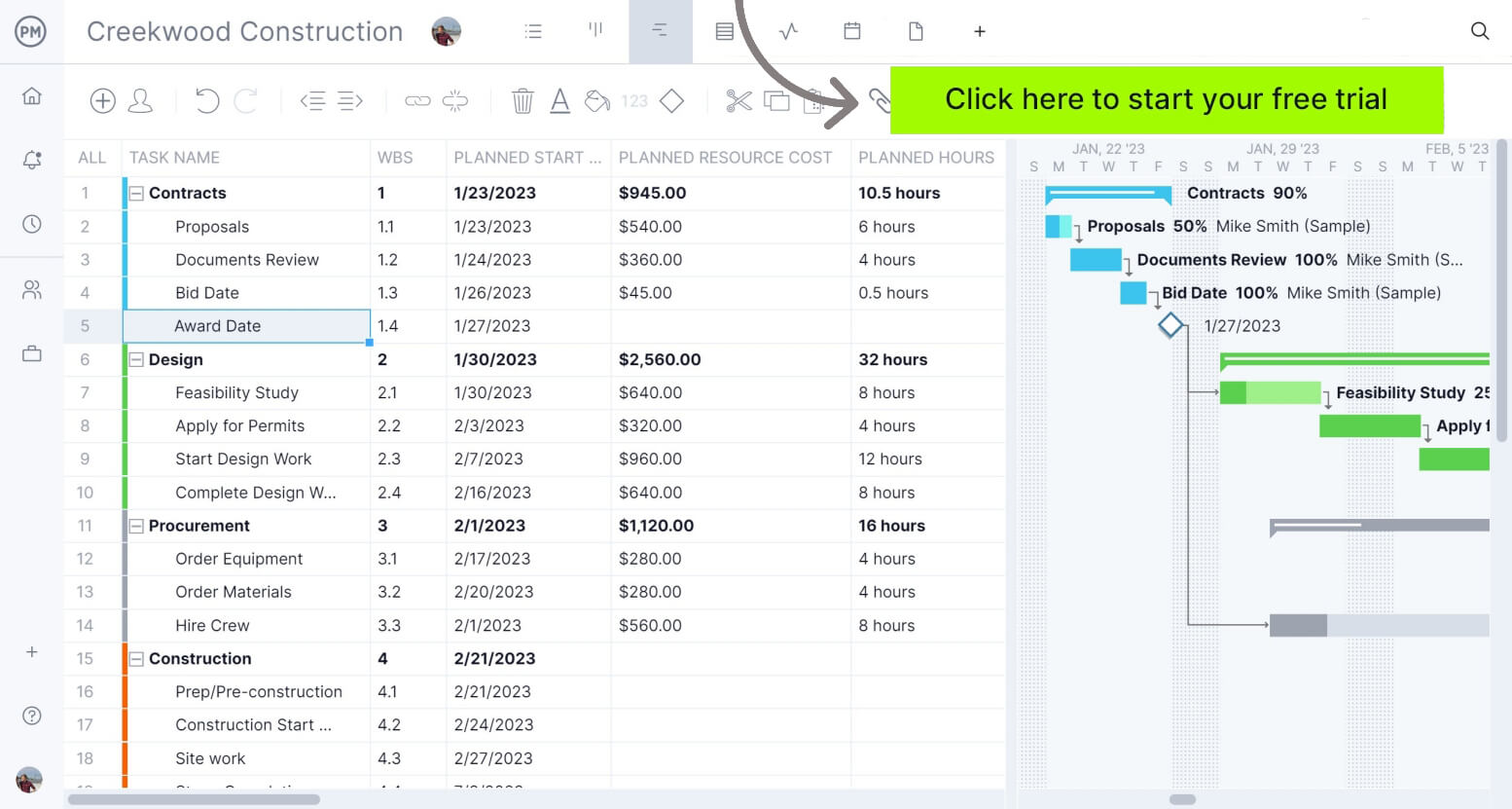
ProjectManager is an award-winning construction project management software that excels at resource planning, cost tracking and project reporting thanks to robust features such as timesheets, workload charts and real-time dashboards and reports. Get started for free today.
Why Is Quantity Surveying Important In Construction?
Managing costs is one of the hardest parts of delivering a construction project, and quantity surveying provides the structure needed to do it properly. By measuring quantities, preparing cost plans and managing the bill of quantities during procurement and construction, quantity surveying helps teams forecast realistic budgets and track spending as work progresses.
When done well, it protects profit margins, supports fair tendering and keeps the project financially stable. Without strong quantity surveying, estimates become unreliable, costs drift and disputes over payments and variations quickly emerge.
When Does Quantity Surveying Occur?
Long before contractors arrive on site, quantity surveying begins alongside early project planning and design development. As drawings evolve, quantity surveyors prepare cost plans, measure quantities and help shape procurement strategies before tendering starts.
Their work continues through contractor selection, contract administration and interim valuations during construction. The quantity surveying process only concludes after the construction closeout phase, once the project reaches completion and the final account is agreed, ensuring every cost, variation and payment is properly reconciled.
Get your free
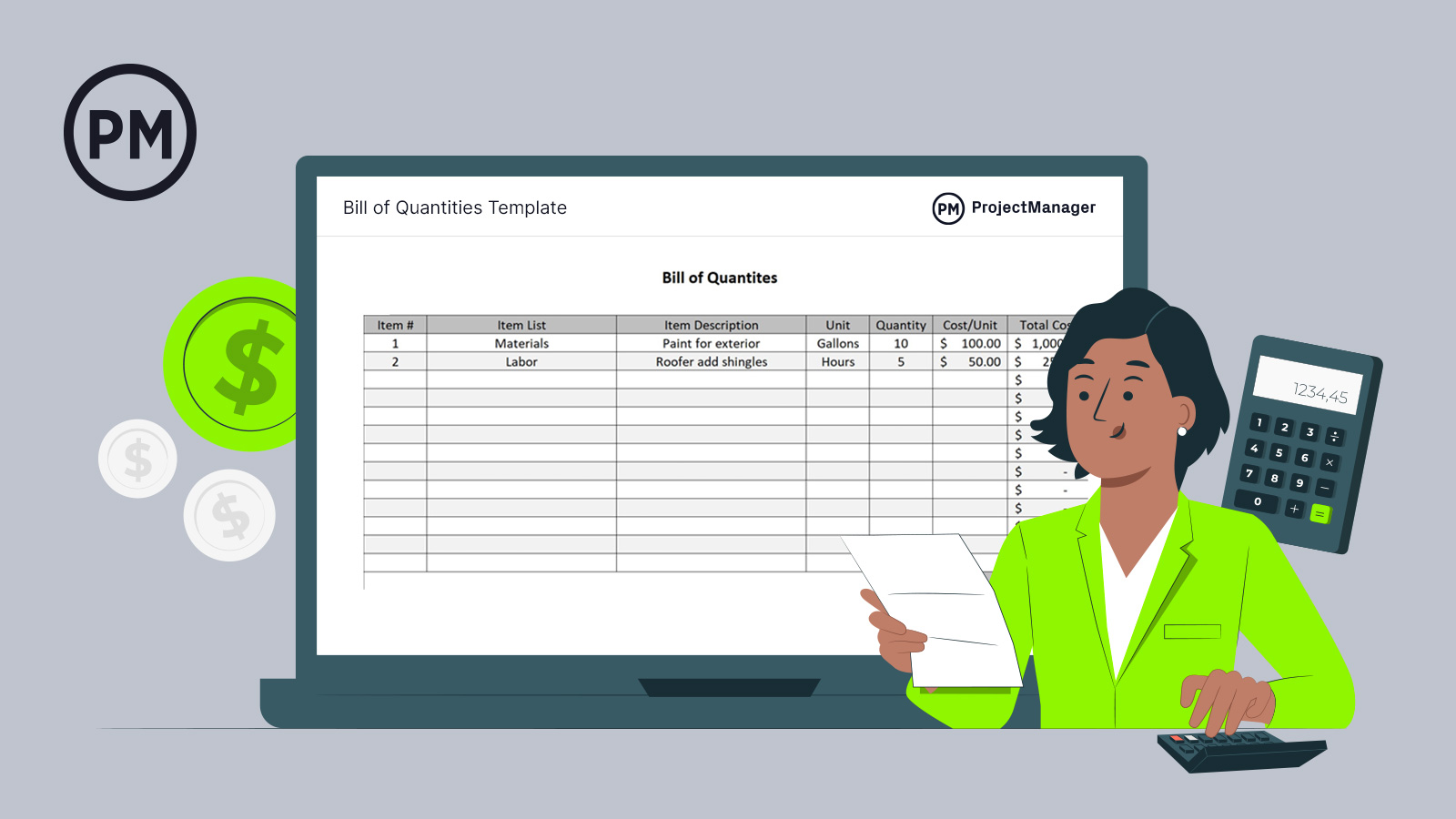
Bill Of Quantities Template
Use this free Bill Of Quantities Template for Excel to manage your projects better.
What Is a Quantity Surveyor?
A quantity surveyor is a construction professional responsible for managing project costs and financial performance throughout the building lifecycle. In the quantity surveying process, the surveyor focuses on measuring work quantities, preparing cost estimates, supporting procurement and monitoring project spending to ensure construction projects are delivered within the agreed budget and contractual framework.
From the earliest design discussions to the final account settlement, a quantity surveyor helps the project team understand what the work will cost and how spending will be controlled. Quantity surveying connects drawings, specifications, procurement decisions and on-site progress with the financial side of construction so the project remains commercially viable.
- Measure construction quantities from architectural and engineering drawings to prepare accurate bills of quantities that contractors use when pricing work during the tendering process.
- Develop detailed cost plans during early project stages to forecast the total construction budget and guide design decisions that affect project cost.
- Prepare and manage tender documents, analyse contractor bids and support procurement by comparing pricing submissions against the bill of quantities.
- Track project costs during construction by reviewing contractor payment applications, verifying completed work quantities and issuing interim valuations for certified payments.
- Assess variations caused by design changes, scope adjustments or site conditions and calculate the financial impact on the construction contract.
- Support contract administration by interpreting cost-related contract clauses and maintaining accurate financial records throughout the construction programme.
- Prepare and negotiate the final account at project completion, ensuring all variations, payments and contractual cost adjustments are fully reconciled.
Who Else Participates in the Quantity Surveying Process?
Although quantity surveying is led by the quantity surveyor, the process depends on collaboration across the entire project team. Cost planning, procurement decisions and contract administration rely on input from designers, contractors and project managers who provide the technical, scheduling and operational information needed to manage construction costs accurately.
- Project manager: Oversees the construction project and coordinates scope, schedule and budget decisions that directly influence quantity surveying and cost control.
- Architect: Develops the building design and technical drawings that quantity surveyors measure to prepare cost plans and bills of quantities.
- Structural and engineering consultants: Provide detailed technical designs and specifications that affect material quantities, construction methods and overall project cost.
- Main contractor: Prices the bill of quantities during tendering and later submits payment applications and variation claims during construction.
- Client or employer: Defines the project requirements, approves budgets and ultimately relies on quantity surveying to maintain financial oversight.
Quantity Surveying Process
The quantity surveying process follows a structured path that starts with early financial feasibility and continues through procurement and contractor selection. Each stage connects design decisions, cost planning and procurement so the project can move forward with reliable financial information.
1. Project Cost Feasibility
At the earliest stage of quantity surveying, the team evaluates whether the proposed construction project is financially viable. Initial project information, conceptual designs and rough quantity estimates are used to produce high-level cost forecasts. This feasibility analysis helps the client understand whether the project budget aligns with expected construction costs before detailed design work begins.
2. Cost Planning
Once the project moves beyond early feasibility, quantity surveying focuses on developing structured cost plans that align the evolving design with the available construction budget. Cost planning breaks the project into cost elements such as structure, finishes and building services. These plans guide design decisions and help prevent the project scope from exceeding budget.
3. Quantity Takeoff and Measurement
As technical drawings become more detailed, quantity surveying involves carefully measuring the materials and work required to deliver the project. Quantity takeoff converts architectural and engineering drawings into measurable units such as concrete volume, steel weight or wall area. Accurate measurement ensures construction costs are based on real project quantities.
4. Bill of Quantities Preparation
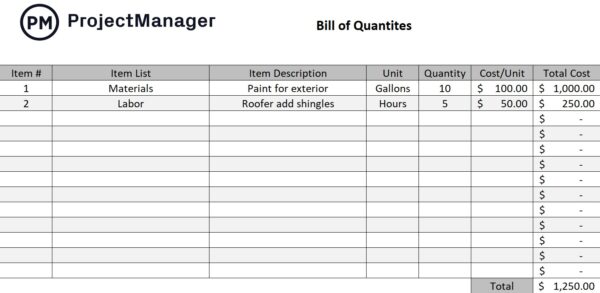
After quantities are measured, quantity surveying produces a bill of quantities that lists all measurable construction work required for the project. The document organises items by trade and work category so contractors can price them consistently during tendering. A clear bill of quantities improves pricing transparency and simplifies cost comparison.
5. Tendering and Contractor Selection
During procurement, quantity surveying supports the tendering process by issuing tender documents that include drawings, specifications and the bill of quantities. Contractors submit bids based on these documents, allowing the project team to compare pricing across bidders. This process helps the client select a contractor whose proposal aligns with budget, scope and programme expectations.
6. Cost Control During Construction
Once construction begins, quantity surveying shifts toward monitoring project costs as work progresses on site. The quantity surveyor reviews contractor payment applications, verifies completed quantities and prepares interim valuations tied to the construction programme. This ongoing oversight ensures project spending stays aligned with the approved cost plan and contractual payment terms.
7. Variation Cost Management
Design revisions, site conditions and scope adjustments often introduce variations during construction, which makes variation management a critical part of quantity surveying. Each change must be measured, priced and documented against the contract. By evaluating variation costs early, the project team can understand financial impacts and prevent uncontrolled budget increases.
8. Final Account Settlement
As the project approaches completion, quantity surveying focuses on closing the financial side of the construction contract. The final account process reconciles all project costs, including interim payments, approved variations and contract adjustments. Once both parties agree on the final account, the project’s total construction cost is formally confirmed.
Quantity Surveying Outcomes
Every stage of quantity surveying produces documents that guide financial decisions throughout the construction lifecycle. These outcomes translate drawings, specifications and project scope into measurable cost information the project team can actually use. From early cost estimates to the bill of quantities used for tendering, these outputs form the financial backbone of construction procurement and cost control.
1. Cost Estimates
Construction cost estimates are early financial forecasts developed during quantity surveying to predict how much a construction project is likely to cost. They combine project scope, measured quantities, labour assumptions and material pricing to approximate the total construction budget.
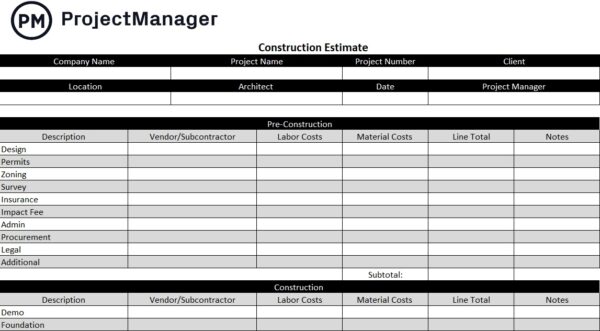
As design information improves, estimates become progressively more accurate and support better planning decisions.
- Preliminary estimates: Early-stage cost forecasts prepared from limited project information to evaluate feasibility and guide initial budgeting decisions.
- Concept estimates: Cost estimates based on conceptual design information that refine early budget expectations as project scope becomes clearer.
- Detailed cost estimates: Comprehensive cost estimates developed from detailed drawings and specifications to support procurement and contractor tendering.
2. Cost Plan
A cost plan is a structured financial breakdown of a construction project that distributes the total budget across major building elements such as structure, finishes and building services. Developed during quantity surveying, the cost plan connects the evolving design with the approved construction budget so project teams can monitor affordability as planning progresses.
Within the quantity surveying process, the cost plan acts as the financial benchmark that guides design development and procurement decisions. It allows the project team to compare estimated costs against the available budget at each design stage. Without a reliable cost plan, construction projects risk uncontrolled scope growth, inaccurate tender pricing and serious cost overruns.
3. Bill of Quantities
A bill of quantities is a detailed document produced during quantity surveying that lists measurable construction work items and their associated quantities. Organised by trade or work category, it allows contractors to price each item consistently during tendering. The bill of quantities translates drawings and specifications into measurable units used for pricing construction work.
In the quantity surveying process, the bill of quantities provides the standard structure contractors use to submit competitive bids. Because each bidder prices the same measured quantities, the project team can compare tenders more accurately. It also supports cost control during construction by providing a reference for valuing completed work and assessing variations.
4. Tender Documents and Bid Evaluations
During procurement, quantity surveying produces structured tender documents that allow contractors to price the project consistently and transparently. These documents typically include drawings, specifications and the bill of quantities.

Once bids are submitted, the quantity surveyor evaluates contractor pricing, identifies cost differences and prepares analysis reports that help the client select the most commercially suitable contractor.
- Tender documentation: Package of drawings, specifications and bill of quantities issued to contractors for pricing construction work.
- Bid comparison reports: Analytical reports comparing contractor pricing submissions line-by-line to identify differences, risks and cost anomalies.
- Tender evaluation summaries: Structured summaries explaining contractor bids, commercial risks and pricing observations for informed procurement decisions.
- Cost recommendations for contract award: Quantity surveyor guidance recommending the contractor whose bid best aligns with project budget and scope.
5. Cash Flow Forecasts
Planning how project funds will be spent over time is another outcome of quantity surveying. Cash flow forecasts estimate when construction costs will occur based on the programme and payment structure. These forecasts help clients prepare funding strategies, manage financing requirements and ensure sufficient liquidity to meet contractor payments throughout the construction phase.
- Expected monthly expenditures: Forecasted construction spending each month based on project progress, measured quantities and contractor payment timelines.
- Payment schedules: Planned schedule showing when contractor payments will occur according to interim valuations and contract terms.
- Funding requirements: Projected financial resources the client must secure to meet construction payment obligations during the programme.
6. Interim Valuations
As construction progresses, quantity surveying produces interim valuations to determine how much the contractor should be paid for completed work. These valuations measure the work delivered during a specific period, apply contract pricing and calculate the payment due. Interim valuations maintain cash flow for the contractor while keeping project payments aligned with actual progress.
- Amount of work completed: Measured portion of construction work finished on site during the current valuation period.
- Value of work performed: Monetary value of completed construction work calculated using contract rates and measured quantities.
- Payment due for the period: Certified payment owed to the contractor based on the interim valuation assessment.
7. Variation Cost Assessments
Changes during construction often affect quantities, materials or the scope of work, making variation cost assessments a core output of quantity surveying. When variations arise, the quantity surveyor measures the change, applies contract pricing and calculates its financial impact.
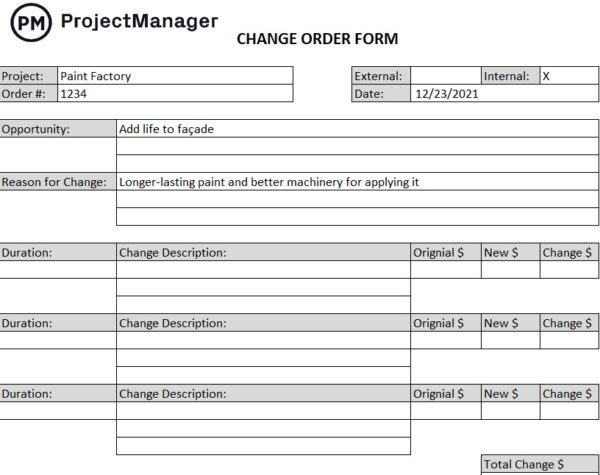
This process ensures design changes, unforeseen conditions and scope adjustments are properly documented and reflected in the construction contract value.
- Cost impact analysis: Evaluation of how a proposed variation affects labour, materials and the overall construction budget.
- Adjusted quantities: Revised measurements reflecting scope changes so the bill of quantities remains accurate after approved variations.
- Updated contract values: Revised contract sum reflecting approved variations, ensuring the project’s financial records remain accurate.
8. Cost Reports
Throughout construction, quantity surveying generates cost reports that keep the client and project team informed about financial performance. These reports compare the approved cost plan with current project spending, highlight emerging risks and track variations affecting the budget. Regular reporting helps stakeholders understand whether the project remains financially aligned with the original cost expectations.
- Cost value reconciliation report: Report comparing planned project costs against actual spending to monitor financial performance during construction.
- Variation cost report: Summary report tracking approved and pending variations and their cumulative impact on the contract value.
- Budget status report: Financial report showing remaining budget, committed costs and projected final construction expenditure.
9. Final Account
The final account is the comprehensive financial statement that confirms the total construction cost once the project is completed. It reconciles the original contract sum with all interim payments, approved variations and contractual adjustments recorded during construction. This document establishes the final amount payable under the construction contract.
Within the quantity surveying process, the final account represents the formal closure of the project’s financial administration. It ensures both client and contractor agree on the definitive construction cost and that all contractual payments, variations and adjustments have been fully resolved before the project is financially closed.
How ProjectManager Helps with Construction Cost Management
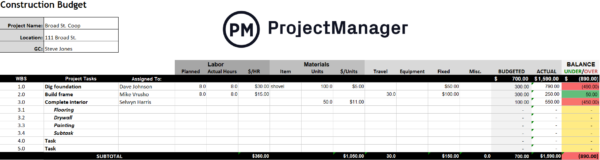
ProjectManager is designed to allow construction project managers to create detailed project plans, allocate resources for the execution of tasks, create construction budgets and compare estimated costs against actual project costs in real-time dashboards and reports to identify cost overruns and financial risks before they become a threat to projects.
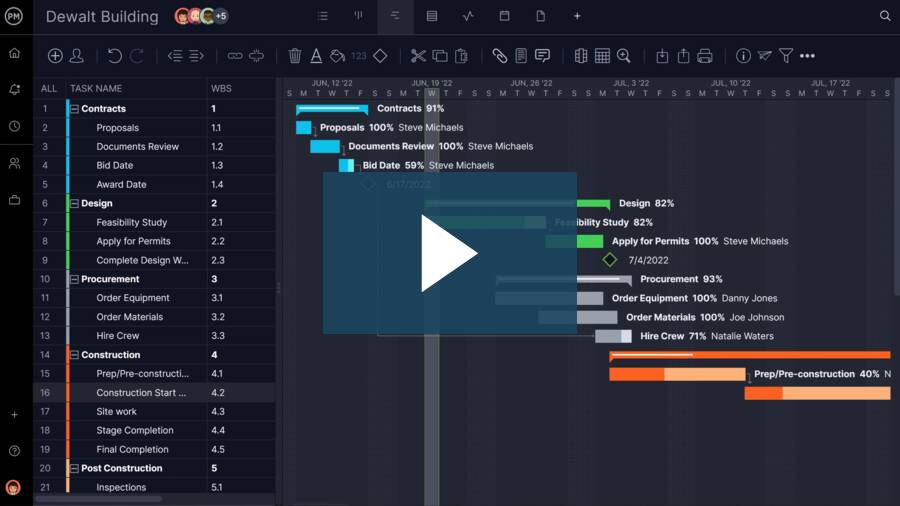
ProjectManager is online construction project management software that empowers teams to plan, manage and track their projects in real time. We connect architects and engineers in the office with your work crew on the job site so they can share files and comments to foster better collaboration. Get started with ProjectManager today for free.
