



What does a project manager do? The answer comes down to turning ideas into organized execution while keeping people, budgets and timelines aligned from start to finish. But it’s a little more complicated than that. In this blog, we’ll go over the most crucial responsibilities of a project manager to get a better understanding of what a project manager does.
What Is the Role of a Project Manager?
A project manager is the person responsible for guiding a project from kickoff to completion. The role centers on building a clear plan, coordinating people, managing deadlines, controlling costs and solving problems before they grow. They connect leadership goals with day-to-day execution, keep teams focused on deliverables and adjust course when conditions change so the project reaches its intended outcome.
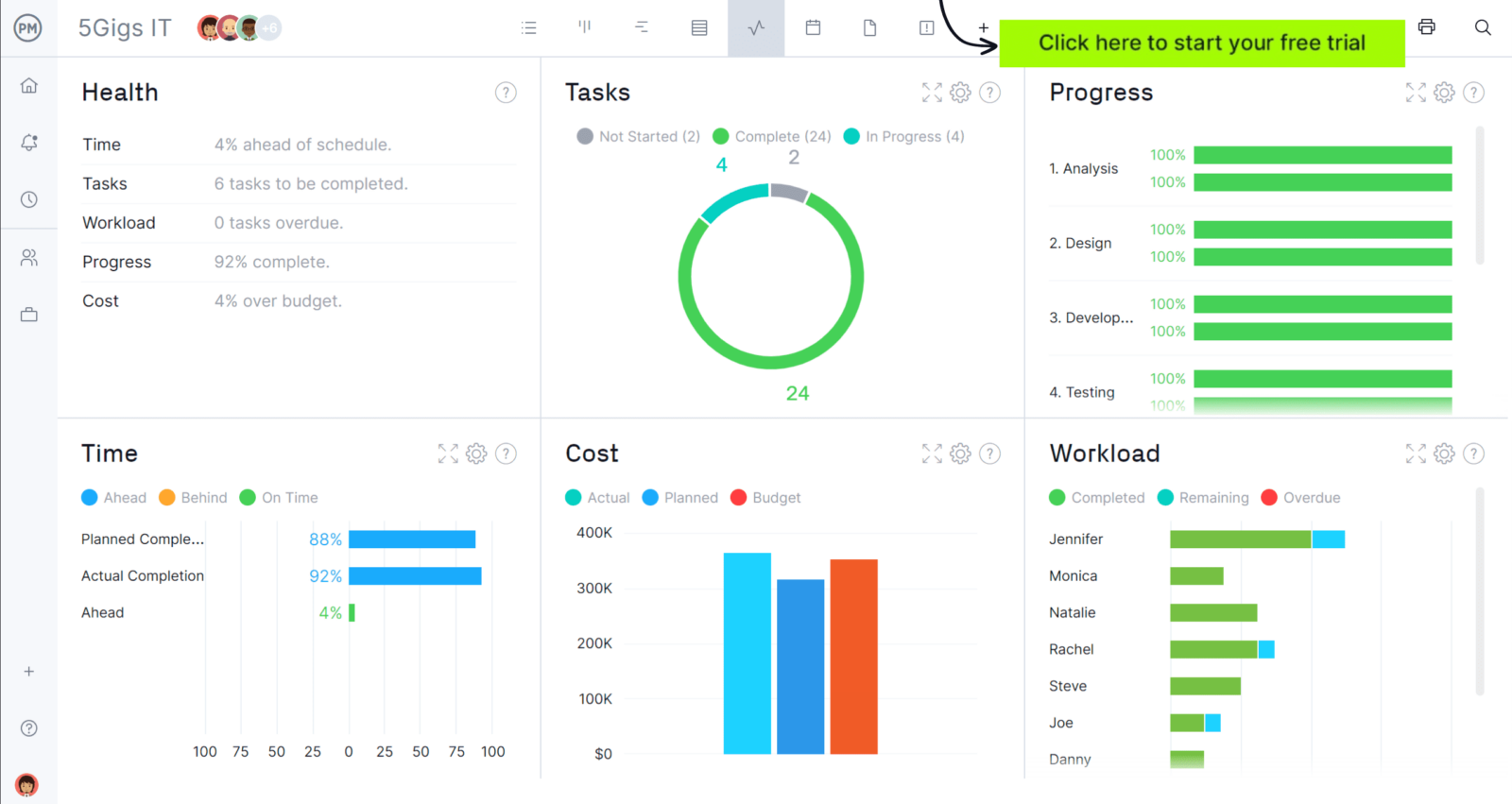
When you’re ready to take control of your projects, try ProjectManager. This award-winning project management software helps teams plan, schedule and track work from start to finish. Create detailed schedules, manage resources, monitor costs and compare planned versus actual performance with a full suite of powerful tools. Get started for free today.
What Does a Project Manager Do?
Guiding project teams towards success isn’t an easy task, but a complex one made up of many responsibilities that have to be balanced daily. So, to answer the question “What does a project manager do?” We must first identify the most important responsibilities of a project manager.
1. Project Planning
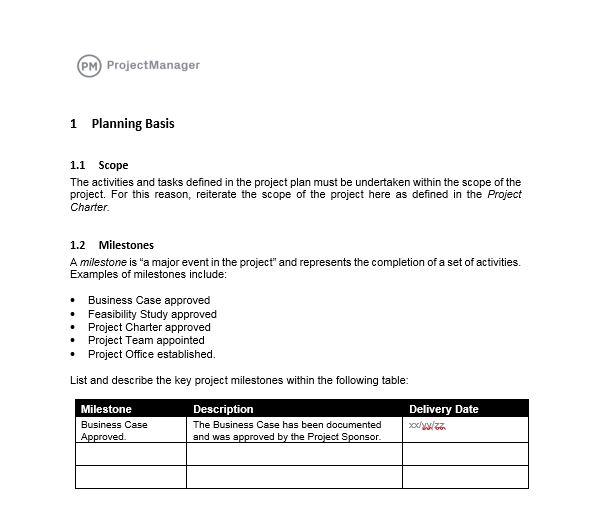
At the planning stage, the project manager turns objectives into a workable execution strategy. They define scope, break deliverables into tasks, estimate timelines, identify dependencies and choose how progress will be measured. Early planning also includes reviewing risks and constraints. When this step is done well, the team starts with direction instead of confusion and avoids costly rework later.
2. Project Scheduling
Once the plan is set, the project manager builds a schedule that shows when work happens and who needs to act next. They sequence tasks, set milestones, manage deadlines and adjust dates when delays appear. Scheduling keeps teams coordinated because everyone understands timing. It also helps leadership see whether the project is on track or needs intervention.

3. Project Budgeting
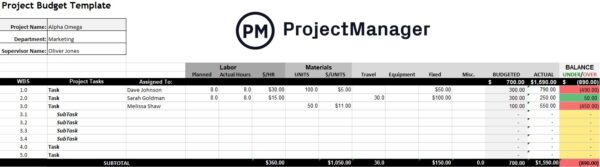
Money needs structure, so the project manager creates and manages the project budget. They estimate labor, materials, software, vendors and contingency costs before spending begins. During execution, they compare actual costs against the plan, explain variances and recommend corrections. Careful budgeting prevents surprises, protects margins and helps decision-makers know whether the project remains financially viable.
4. Task Management
Daily execution depends on clear ownership, which is where task management comes in. The project manager assigns work, sets priorities, confirms deadlines, and ensures handoffs between team members happen smoothly. They also remove blockers when tasks stall. Good task management keeps momentum high, reduces duplicated effort and makes responsibilities visible across the project team.
5. Risk Management
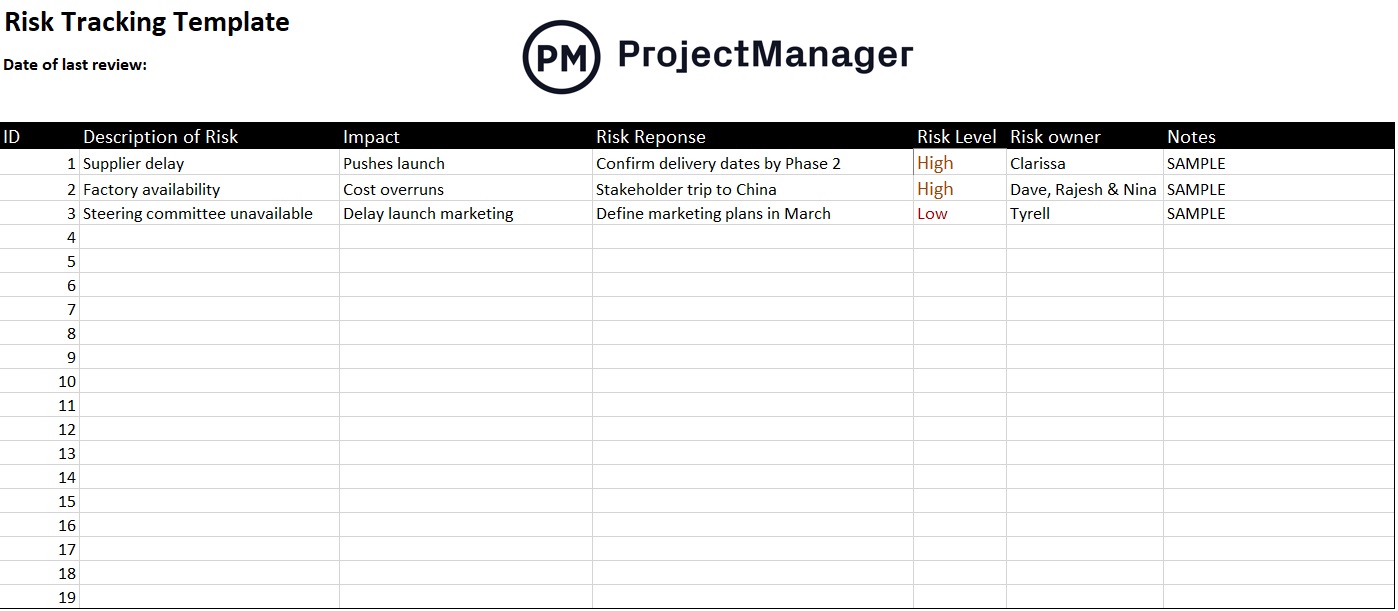
Problems rarely appear without warning, so the project manager looks ahead for threats that could affect cost, schedule or quality. They identify possible risks, assess likelihood, rank impact and create response plans before issues occur. Throughout the project, they monitor triggers and update actions. Strong risk management reduces disruption and helps teams respond calmly under pressure.
6. Resource Management
Even strong plans fail when people or tools are overloaded. The project manager matches available resources to upcoming work by balancing workloads, securing equipment, coordinating vendors and resolving capacity gaps. They watch utilization so key staff are not burned out while others sit idle. Effective resource management improves productivity and keeps delivery dates realistic.

7. Stakeholder Management
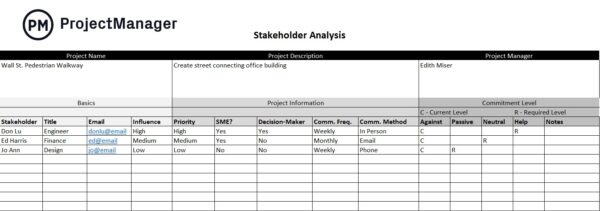
Projects involve sponsors, clients, leaders and users who all expect different things. The project manager manages those relationships by setting expectations, sharing updates, gathering feedback and resolving concerns early. They also identify who influences decisions and when to involve them. Strong stakeholder management builds trust, speeds approvals and reduces surprises that can derail delivery.
8. Team Management
Results depend on people, so the project manager helps the team perform consistently. They clarify responsibilities, coordinate collaboration, address conflicts and keep everyone focused on priorities. Motivation matters too, which means recognizing wins and maintaining momentum during pressure. Effective team management improves accountability, communication and morale, making it easier to hit deadlines with quality work.

9. Quality Control
Finishing on time means little if the output is flawed. The project manager sets quality standards, reviews deliverables, coordinates testing and ensures work meets agreed requirements. When defects appear, they organize corrections and prevent repeat issues. Consistent quality control protects customer satisfaction, avoids rework costs and helps the final result perform as intended.

10. Project Scope Management
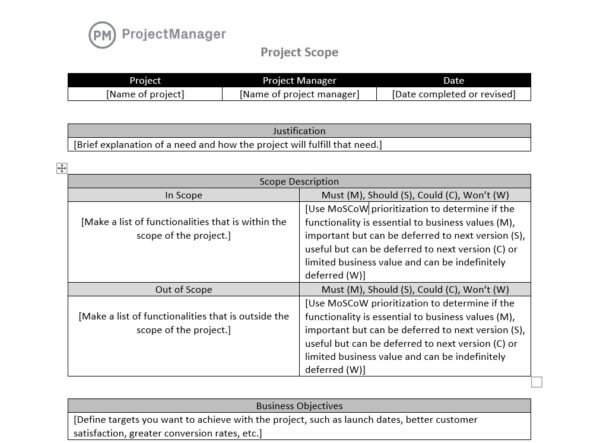
Scope management is about controlling what the project will and will not deliver. The project manager defines requirements, documents boundaries and confirms stakeholders agree before execution begins. As new requests arise, they evaluate whether those items belong in the project. Strong scope management keeps teams focused and prevents uncontrolled expansion that strains time and budget.
11. Project Change Management
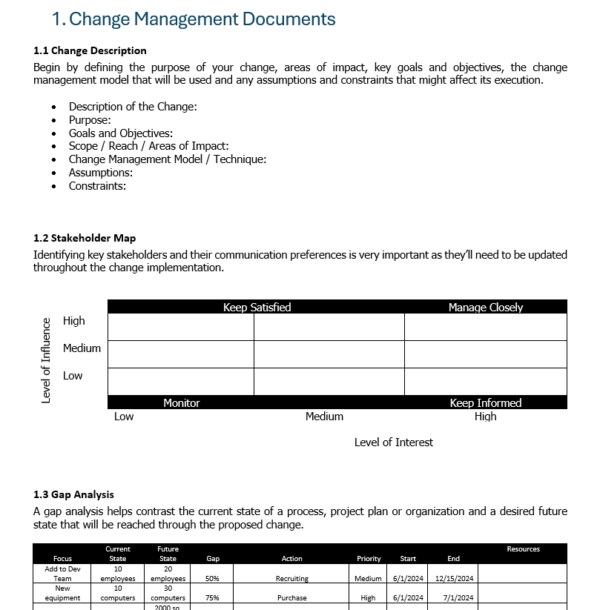
Change is normal once real work starts. The project manager reviews requested changes to timelines, costs, features or priorities, then measures the impact before approval. They coordinate decisions, update plans and communicate adjustments to the team. Good change management keeps projects flexible without creating chaos or constant disruption to ongoing work.
12. Progress Tracking
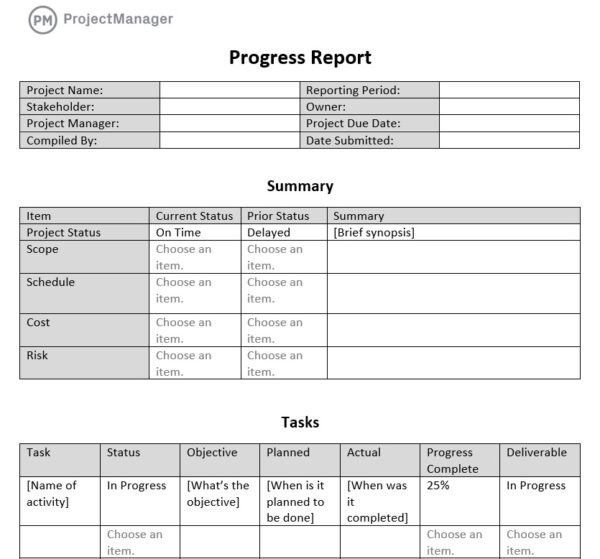
Leaders need to know where things stand, and teams need visibility on next steps. The project manager tracks completed tasks, upcoming milestones, schedule variance, budget performance and key blockers. They compare actual progress against the baseline plan and act when gaps appear. Reliable progress tracking allows faster decisions and keeps projects moving forward.
13. Issue Management
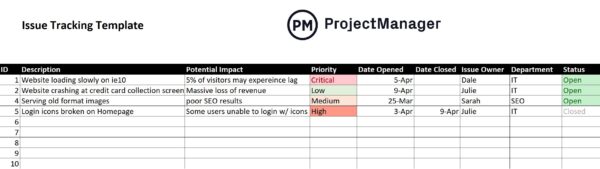
Unlike risks, issues are problems already affecting the project now. The project manager identifies the root cause, assigns ownership, sets response deadlines and follows through until resolution. They also escalate urgent matters when authority or resources are needed. Strong issue management limits delays, reduces confusion and prevents one unresolved problem from creating several more.
14. Cost Control
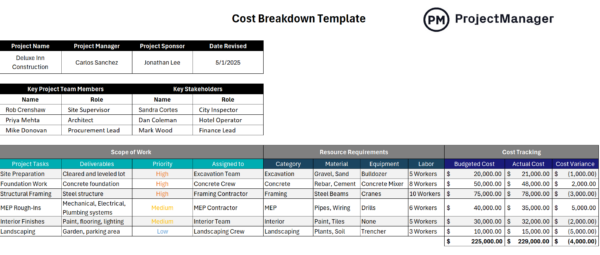
Budgets can drift quickly once execution begins, so the project manager controls spending throughout delivery. They review invoices, labor hours, purchase requests and forecasted costs against the approved budget. When overruns appear, they recommend adjustments such as reprioritizing scope or reducing waste. Effective cost control protects profitability and keeps financial expectations realistic.
15. Documentation Management
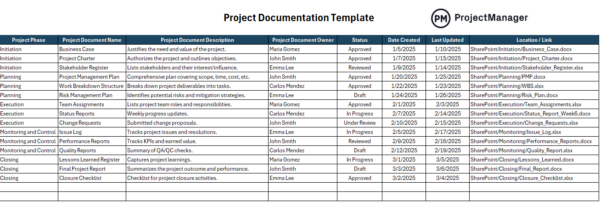
Projects generate decisions, plans, approvals and records that need to be easy to find later. The project manager organizes schedules, meeting notes, change requests, status reports, contracts and technical documents in a clear system. They keep versions current and ensure access for the right people. Good documentation management prevents confusion and supports accountability.
Project Manager FAQs
What Does a Project Manager Do Day to Day?
We’ve established what the main responsibilities of a project manager are, but what does a project manager do every day?
A normal day often starts by checking schedules, dashboards, emails and urgent blockers to see where attention is needed first. From there, the project manager runs standups or status meetings, follows up on overdue tasks, updates timelines and answers questions from the team. Midday may involve budget reviews, stakeholder calls or vendor coordination. Later hours are usually spent solving issues, adjusting priorities, documenting decisions and preparing progress updates for leadership.
What Does a Project Manager Do When Teams Disagree?
When teams disagree, the project manager steps in to clarify facts, priorities and project goals. They listen to each side, identify the source of conflict and guide discussion toward a workable solution. By keeping conversations focused on outcomes, they restore collaboration and prevent delays or tension.
How Do Project Managers Keep Projects on Track?
Project managers keep projects on track by comparing actual progress against the project plan and approved baselines for scope, schedule and cost. They monitor deadlines, resolve blockers and adjust priorities when needed. Teams stay aligned through clear communication, while schedules and dashboards help spot delays early. Fast decisions and consistent follow-up protect delivery dates and overall project performance.
What Does a Project Manager Do When a Project Falls Behind?
When a project falls behind, the project manager identifies the cause, whether it is resource shortages, unclear priorities or missed deadlines. They rework the project schedule, reassign tasks, remove obstacles and communicate revised expectations. Recovery may involve schedule compression techniques such as crashing or fast tracking. The goal is to regain time without harming quality or budget.
Do Project Managers Do the Work Themselves?
Project managers are typically not the people performing the technical, operational or production tasks. Their role is to delegate work to the right team members, coordinate execution, set priorities and remove obstacles that slow progress. While they may support planning or reporting activities directly, delivery depends on managing others rather than doing the hands-on work themselves.
How to Manage Work with ProjectManager
ProjectManager is an online project management solution that provides a complete set of work planning, scheduling and tracking tools, including Gantt charts, kanban boards, task lists and real-time dashboards and reports. With these features, teams across industries can build detailed schedules, assign resources and monitor progress, costs and timelines.
ProjectManager also delivers AI-powered project insights to support better decision-making and connects with over 100 tools like Microsoft Project, Acumatica and Power BI. With its open API and wide range of integrations, organizations can seamlessly link ProjectManager to their existing systems. Want to learn more about what a project manager is? Watch our video below.
If you need a tool to help you manage projects, then sign up for our software now at ProjectManager. Our online software helps teams across industries plan, track and oversee projects as they unfold. Sign up for a free 30-day trial today!
