



A well-organized construction site logistics plan keeps materials, equipment and people moving efficiently across the jobsite. From delivery schedules to storage locations and traffic flow, a clear construction logistics plan helps reduce delays, improve safety and control costs. In this guide, we’ll break down what is a construction site logistics plan, why it matters and how a strong site logistics plan construction teams can rely on supports smoother project execution.
What Is a Construction Site Logistics Plan?
A construction site logistics plan outlines how people, materials, equipment and vehicles move through a jobsite. It defines site access, storage locations, traffic flow and temporary facilities to keep work organized and safe. In short, a construction logistics plan turns a busy site into a controlled environment that supports productivity, safety and schedule adherence throughout the project lifecycle.
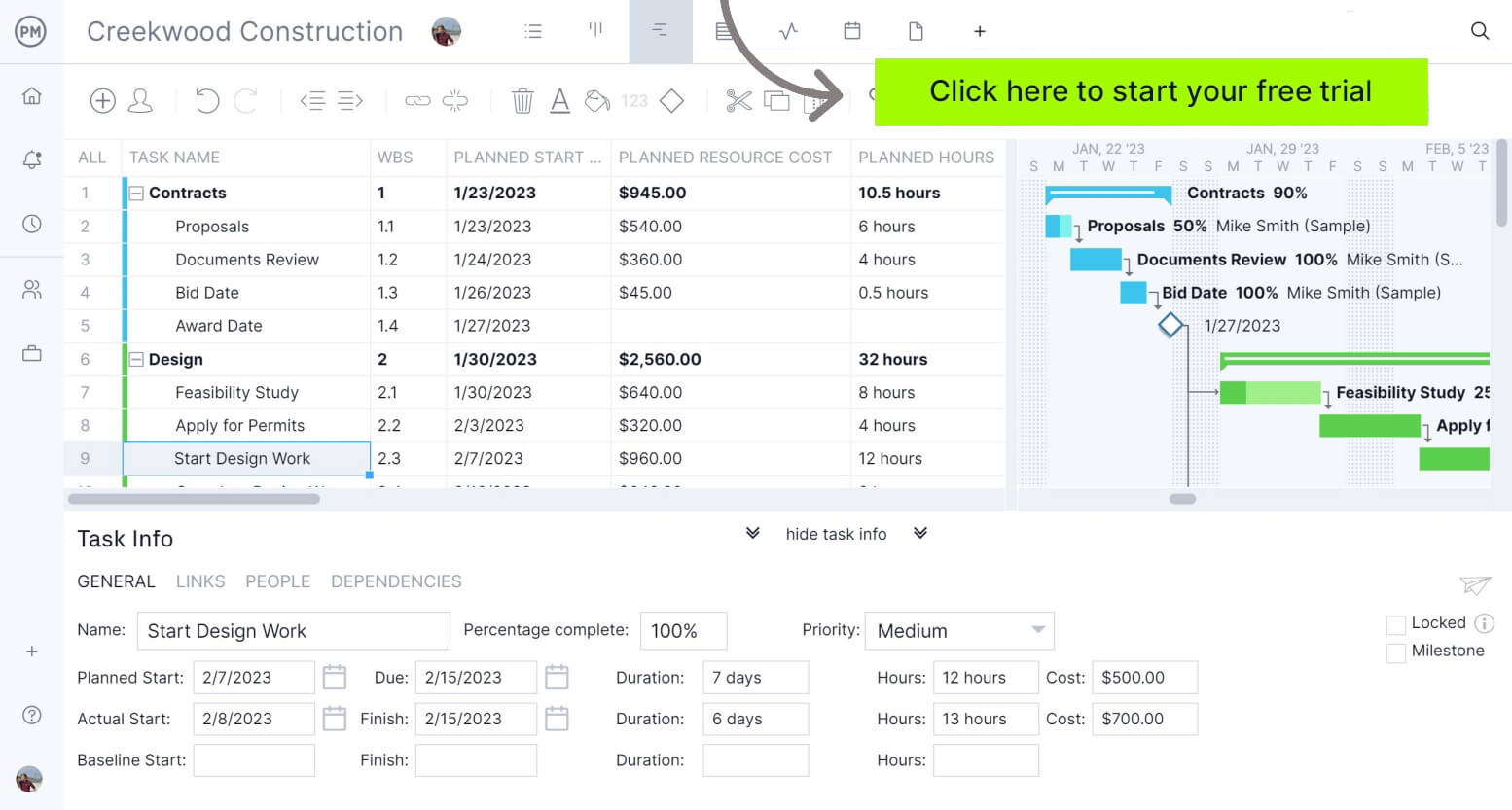
ProjectManager makes it easy to streamline your construction site logistics plan by providing a centralized, online platform to plan, coordinate and monitor site operations in real time. With customizable site logistics plan construction tools like a Gantt chart, project managers can map traffic flows, schedule deliveries, assign tasks and monitor progress without siloed spreadsheets or disconnected systems. Try it now with a free 30-day trial.
What Is the Purpose of a Construction Site Logistics Plan?
The purpose of a construction site logistics plan is to reduce congestion, improve safety and prevent delays. By clearly mapping site layout, delivery routes and work zones, teams avoid conflicts that waste time and increase risk. A strong site logistics plan supports efficient coordination between trades while protecting workers, materials and the surrounding community.
Who Makes the Construction Site Logistics Plan?
Typically, the construction manager or general contractor develops the construction site logistics plan. Input often comes from project managers, superintendents, safety officers and key subcontractors. Collaboration ensures the plan reflects real site conditions, trade sequencing and safety requirements while remaining practical to execute daily.
When to Make a Construction Site Logistics Plan
Ideally, you’ll create a construction logistics plan during preconstruction and refined before mobilization. However, it should remain a living document that evolves as the project progresses. Updates are especially important when site conditions change, phases shift or major deliveries and equipment are introduced.

Get your free
Construction Schedule Template
Use this free Construction Schedule Template to manage your projects better.
Get the Template
What Should Be Included in a Construction Site Logistics Plan?
Whether you’re putting together a logistics plan for the first time or you’ve done this countless times previously, be sure to include the following elements.
Project & Site Overview
This section summarizes the project scope, site constraints and surrounding environment. It establishes context such as site size, access points and neighboring properties to guide all logistics decisions.
Construction Site Layout Plan
A site logistics plan construction drawing shows material storage, equipment zones, access routes and work areas. A clear layout reduces confusion and helps crews understand where activities should occur.
Traffic Management
Traffic management defines how vehicles enter, exit and move through the site. It separates pedestrian paths from equipment routes to reduce accidents and bottlenecks.
Delivery & Material Handling
This section outlines delivery schedules, staging areas and handling procedures. Proper planning prevents overcrowding and ensures materials arrive when crews are ready to use them.
Crane, Hoisting and Vertical Transport
Hoisting plans detail crane locations, swing paths and lift zones. Coordinating vertical transport avoids conflicts and improves efficiency on multi-level projects.
Temporary Work Facilities
Temporary offices, break areas and restrooms should be clearly located. Proper placement supports worker comfort without disrupting active work zones.
Utilities and Services
Temporary power, water, lighting and communications are identified here. Reliable access to utilities keeps work moving and supports site safety.
Waste Management & Housekeeping
Waste removal procedures help maintain a clean site. Regular housekeeping reduces hazards and supports compliance with safety standards.
Related: 25 Free Excel Construction Templates
Safety and Emergency Logistics
Emergency access routes, muster points and first aid locations are documented. This ensures a fast response in the event of an incident.
Security and Site Control
Fencing, signage and access controls protect the site from unauthorized entry. Strong security also helps safeguard materials and equipment.
Construction Site Logistics Plan Example
A construction site logistics plan example typically includes a visual site layout paired with written procedures. Together, they show how materials flow, where equipment operates and how safety is maintained, giving teams a clear roadmap for managing daily site activity.
Project & Site Overview
This construction site logistics plan defines how personnel, materials, equipment and vehicles will be managed on site for the construction of a five-story residential building. The objective is to ensure safe access, efficient material flow and minimal disruption throughout all phases of construction.
| Project name | Five-Story Residential Building |
| Site address | 456 Residential Avenue |
| Site context | Urban infill site with limited frontage |
| Project duration | 18 months |
| Logistics plan owner | Site superintendent |
Construction Site Layout Plan
The site layout is designed to optimize material flow, maintain clear access routes and segregate pedestrian and vehicle traffic. Layout arrangements will be reviewed and updated as the project progresses through structural and fit-out phases.
| Layout element | Description | Location |
| Site fencing and hoarding | Perimeter fencing with controlled access points | Entire site boundary |
| Material laydown area | Designated area for short-term material storage | North side of site |
| Crane base | Tower crane foundation and exclusion zone | Center of site |
| Site offices | Temporary offices and welfare facilities | Southwest corner |
Traffic Management
Traffic management measures are implemented to control vehicle movements, protect pedestrians and maintain emergency access. All site traffic follows a one-way internal circulation where feasible.
| Traffic element | Control measure | Notes |
| Vehicle access | Single gated entry with security check-in | Delivery scheduling enforced |
| Pedestrian routes | Clearly marked and segregated walkways | Barriers installed near vehicle paths |
| Public interface | Signage and flaggers during deliveries | Required during peak hours |
Delivery & Material Handling
Material deliveries are coordinated to support construction sequencing while minimizing on-site congestion. A just-in-time delivery approach is used for major materials due to limited laydown space.
| Material type | Delivery method | Handling approach | Notes |
| Concrete | Scheduled truck arrivals | Direct placement via pump | Traffic control required during pours |
| Structural steel and rebar | Flatbed deliveries | Tower crane lifting | Delivered per floor sequence |
| MEP materials | Box truck deliveries | Material hoist distribution | Stored temporarily in designated zones |
Crane, Hoisting and Vertical Transport
Vertical transportation is managed using a centrally located tower crane and a dedicated material hoist. Crane operations are scheduled daily to prevent conflicts between trades.
| Equipment | Purpose | Coverage | Operational notes |
| Tower crane | Primary lifting of structural materials | Entire building footprint | Operator and rigger required |
| Material hoist | Vertical transport of finishes and MEP | Levels 1–5 | Scheduled by superintendent |
| Mobile lifts | Localized access and installation | Interior zones | Used during fit-out phases |
Temporary Work Facilities
Temporary facilities are provided to support site operations, worker welfare and project coordination. Facilities will be adjusted as site conditions and project phases change.
| Facility | Description | Location | Notes |
| Site offices | Offices for management and meetings | Southwest corner of site | Connected to temporary power |
| Welfare facilities | Restrooms and break areas | Adjacent to site offices | Serviced weekly |
| Tool storage | Secured containers for tools and equipment | Near material laydown area | Access controlled by trade leads |
Utilities and Services
Temporary utilities are established to support construction activities while protecting existing services. Utility layouts are coordinated to avoid conflicts with access routes and lifting operations.
| Utility | Provision method | Coverage | Notes |
| Temporary power | Site distribution panels | All active work areas | Inspected monthly |
| Temporary water | Connection to municipal supply | Concrete works and welfare facilities | Backflow prevention installed |
| Temporary lighting | Portable and fixed lighting units | Access routes and work zones | Night work compliant |
Waste Management & Housekeeping
Waste management procedures are implemented to maintain a clean, safe and organized site. Waste removal frequency is aligned with construction activity levels.
| Waste type | Collection method | Disposal frequency | Notes |
| General construction waste | Designated skips | Weekly | Segregation enforced |
| Concrete waste | Washout bins | As required | Environmental controls applied |
| Recyclable materials | Separated containers | Bi-weekly | Tracked for compliance |
Safety and Emergency Logistics
Emergency access and response arrangements are integrated into the site logistics plan to ensure rapid response in the event of an incident.
| Emergency element | Provision | Location | Notes |
| Emergency access routes | Clear, unobstructed pathways | Perimeter and core areas | Maintained at all times |
| Muster points | Designated assembly areas | Outside site boundary | Signposted |
| First aid stations | Fully equipped kits | Site offices and Level 1 | Trained personnel assigned |
Security and Site Control
Site security measures are implemented to prevent unauthorized access, protect materials and maintain controlled site operations.
| Security measure | Description | Coverage | Notes |
| Perimeter fencing | Full-height fencing and hoarding | Entire site | Inspected weekly |
| Access control | Badging and sign-in procedures | Main site gate | Mandatory for all personnel |
| Material security | Locked containers and monitored areas | Laydown and storage zones | After-hours protection |
Benefits of Thorough Construction Project Reporting
Consistent, detailed construction project reporting keeps everyone aligned and informed as work progresses. Clear reporting supports better communication, reduces surprises and helps teams stay proactive rather than reactive throughout the project lifecycle.
Key benefits include:
- Improved visibility into progress, costs and schedule performance
- Faster, more confident decision-making based on real-time data
- Early identification of risks, issues and potential delays
- Stronger accountability across project teams and stakeholders
- Better documentation for audits, compliance and future planning
Free Construction Project Management Plan Templates
Templates are an easy way to streamline your operations and ensure quality. Our site has hundreds of free templates available to download immediately. Below are just a few related to construction site logistics plans.
Construction Scope of Work Template
This construction scope of work template helps define project boundaries, deliverables and responsibilities from the start. By clearly outlining tasks, timelines and expectations, it reduces confusion, supports better coordination across trades and helps keep construction site logistics aligned with project goals.
Construction Management Plan Template
A construction management plan template provides a structured way to document workflows, roles, communication processes and site controls. It supports effective construction site logistics planning by bringing scheduling, safety, resources and reporting into a single, organized framework teams can follow throughout the project lifecycle.
Construction Schedule Template
This construction schedule template helps teams map tasks, dependencies and milestones in a clear timeline. It plays a critical role in construction site logistics planning by coordinating labor, materials and deliveries so work stays sequenced properly and delays, congestion and downtime are minimized.
How ProjectManager Helps with Construction Progress Reporting
ProjectManager makes construction progress reporting easier by pulling real-time data from schedules, tasks and teams into one centralized platform. Instead of chasing updates or manually compiling reports, project managers get instant visibility into what’s complete, what’s delayed and what’s at risk.
Make Robust Plans on the Gantt Chart
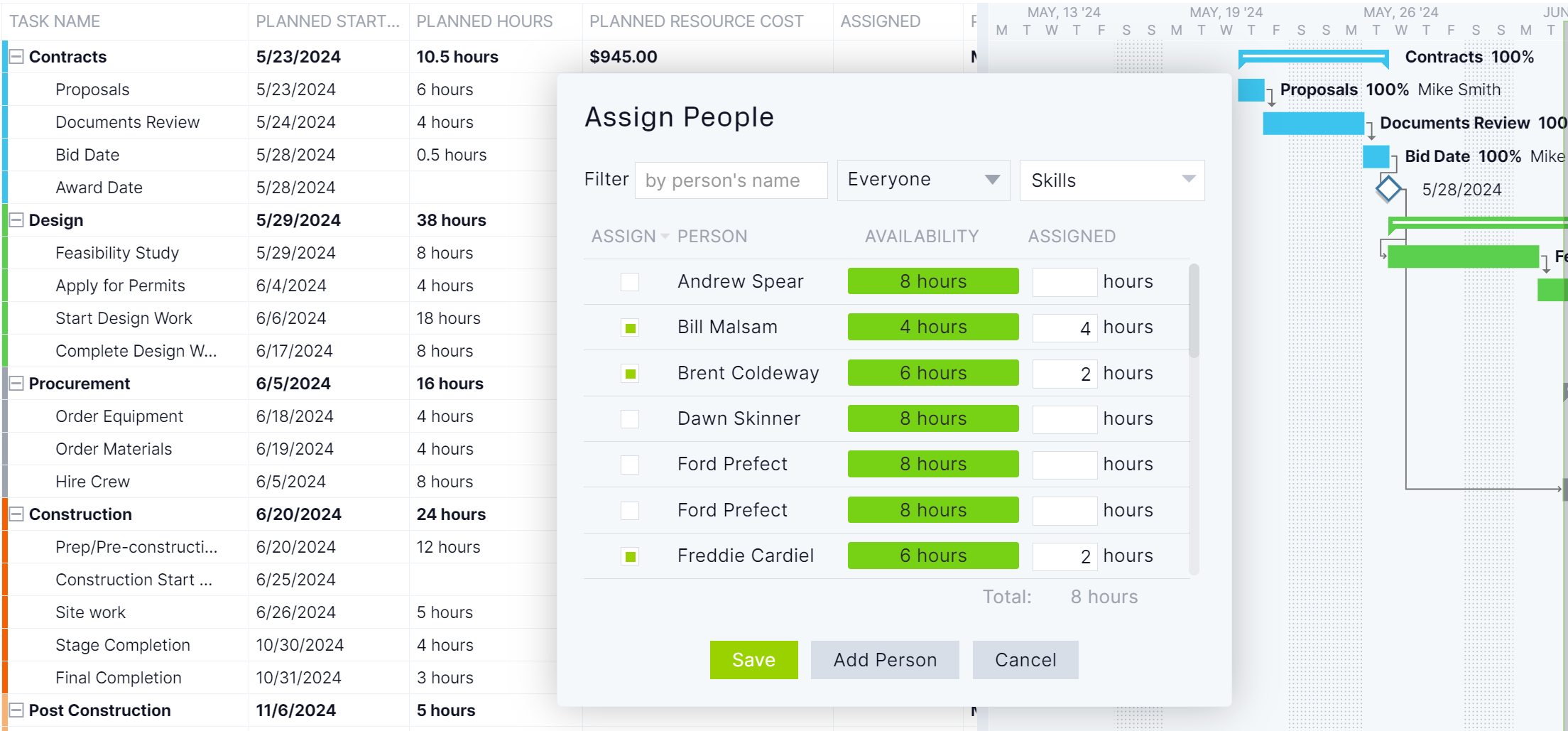
Interactive Gantt charts and scheduling features enable teams to visualize the sequence of activities, align material handling and crane usage with project milestones and adjust plans dynamically when site conditions change. Resource tracking and workload views help balance labor and equipment allocation so crews are in the right place at the right time, reducing bottlenecks and downtime.
Leverage AI Project Insights
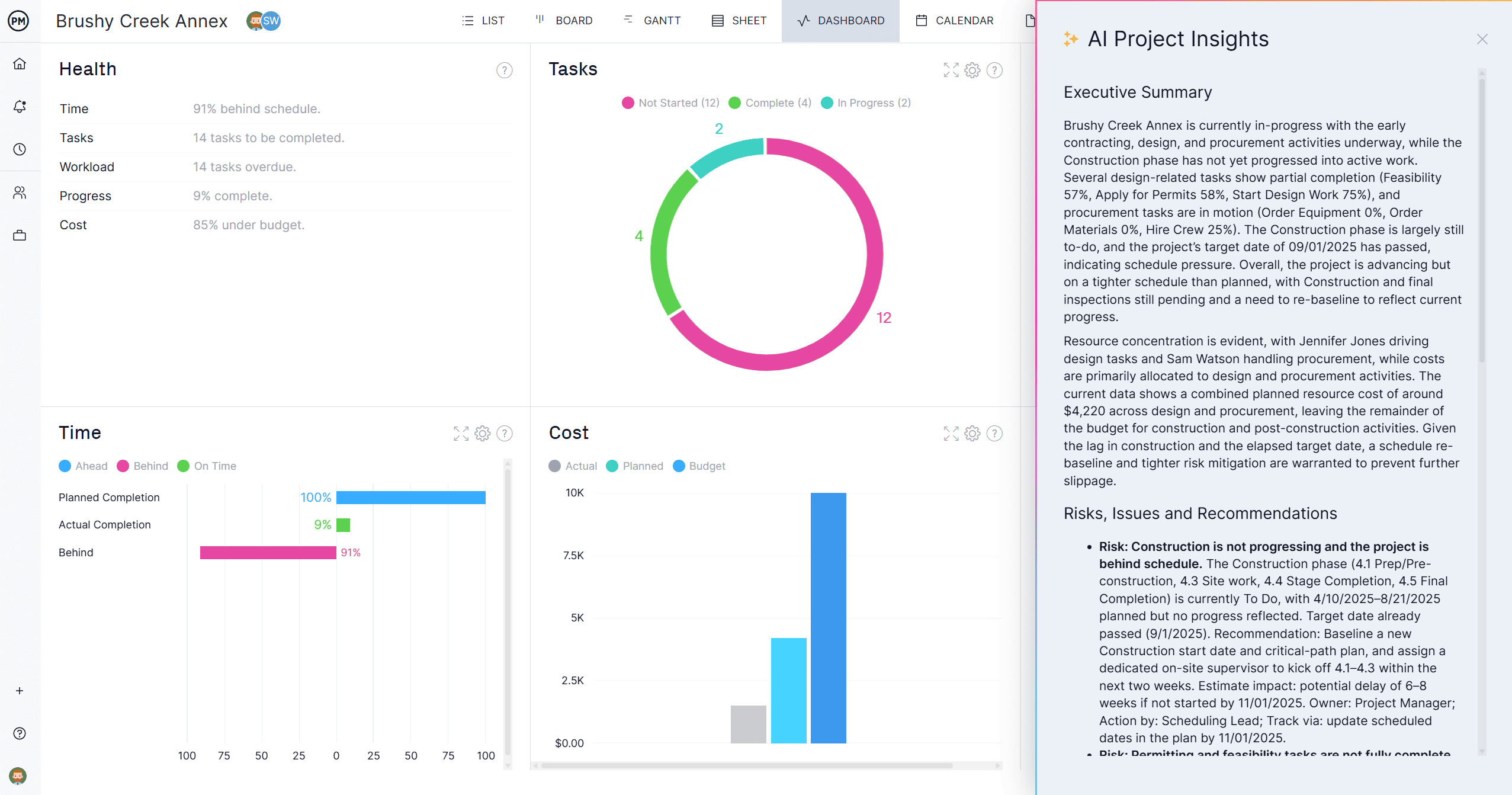
Dashboards, real-time reporting and AI Project Insights further enhance your site logistics strategy by providing clear visibility into site performance, delivery status and resource usage. In a few clicks, generate tailored AI-driven reports to share progress with stakeholders. This supports smarter decisions, better safety coordination and improved efficiency throughout the life of the project.
Related Construction Project Management Content
- 8 Free Construction Forms for Excel and Word
- 14 Types of Construction Contracts: Pros, Cons & Best Practices
- How to Manage a Construction Project Step by Step
- 10 Types of Construction Projects with Examples
- The Construction Process Explained Step-by-Step
ProjectManager is online construction project management software that connects teams, whether they’re in the office or on the job site. They can share files, comment at the task level and stay updated with email and in-app notifications. Get started with ProjectManager today for free.
