



To deliver goods to market on time, manufacturing teams have to consider the supply chain, inventory management, resource planning and production planning, to name a few. Managing this juggling act requires production scheduling software that’s flexible and powerful.
The following is a list of the best production scheduling software in descending order. These 10 production scheduling software tools for manufacturing help you manage the production cycle, manufacturing operations, production capacity and much more. If you’re looking for an enterprise resource planning (ERP) system that can also manage your product scheduling, you’ve come to the right place. Before we list the best production scheduling software products, let’s define the term so we’re all on the same page.
What Is Production Scheduling Software?
Production scheduling software is a tool for manufacturers to help them plan and schedule production activities. It assists with resource utilization, managing the availability of raw materials, avoiding bottlenecks and more. There are many types of production scheduling software, from cloud-based to on-premise.
Production scheduling software is the most commonly used term to describe this type of software, but other terms are used as well, such as production planning software, manufacturing scheduling software or production planning and scheduling software. Production scheduling software ensures that delays are minimized by streamlining tasks, creating effective production workflows and allocating and optimizing resources that lead to an efficient production schedule.
What Are the Best Production Scheduling Software Features?
The feature set may vary from one production scheduling solution to another and choosing the right software for you and your team depends on the industry you’re in as well as the methodologies you use to plan, schedule and manage your team’s work. Having said that, here are some key features you should look for when choosing production scheduling software.
- Task & workflow management: In a nutshell, production scheduling is the process of creating a timeline for the execution of the tasks that are needed to manufacture a product. Tools like Gantt charts, kanban boards, to-do lists and calendars help production managers understand the order in which production tasks will be completed, what their due dates are, their completion status and who they’re assigned to.
- Resource management: Allocating resources for the completion of production tasks is an important aspect of production scheduling. For this reason, production scheduling software should include features to facilitate the planning, scheduling and allocation of resources such as people, materials, equipment and machinery. Workload charts are an example of a feature that production scheduling software should include, as they help production managers split the amount of work to be done among employees.
- Project management: The production process can be managed as a project as they share common elements such as timelines, resources, costs and stakeholders. Any production manager should be familiar with basic project management principles.
- Cost tracking and budgeting: A production scheduling software should have features that allow production managers to keep track of the costs of each task. Features such as timesheets and cost dashboards allow them to measure their labor costs accurately throughout the production process.
- Document management: Several documents are needed for managing the production process such as manufacturing orders, bills of materials, purchase orders and more. Choose production scheduling software with features such as unlimited file storage and file sharing.
10 Best Production Scheduling Software for Manufacturing
Now that we understand the meaning and scope of production scheduling software, let’s look at the top 10 options.
1. ProjectManager
 ProjectManager is award-winning production scheduling software. It’s cloud-based, which means there’s minimal installation required. The software is well-designed with powerful scheduling features that place it at the top of our list for the best production scheduling software. Manufacturers will appreciate the full suite of tools for production planning, resource management, time tracking and reporting—and there’s a mobile app for managing work from the shop floor. Plus, there’s a free 30-day trial so you can try out ProjectManager’s production scheduling features for yourself.
Manage Resources and Costs in Real Time
ProjectManager has powerful Gantt charts that are an essential tool for production scheduling. It links all four types of task dependencies to avoid costly production delays and bottlenecks. Both human and nonhuman resources and associated costs are captured in the Gantt chart as well. Once you’ve created a production schedule, the software allows you to set a baseline. This means you can now track the planned schedule against your actual schedule in real time to catch anomalies and reallocate resources to get you back on track.
Automate Production Workflows
Another plus is that ProjectManager can create custom workflows that help move one activity into another and keep the production line moving. To further efficiency, there are automated workflows. You can add as many triggers as you want to automatically change the status, assignee and more.
Of course, quality control is an issue with automated workflows, but ProjectManager has added a task approval setting so that an authorized individual can inspect and approve the work before it moves forward in production. You can view the production workflow on kanban boards. ProjectManager has multiple project views so the schedule made on a Gantt chart reflects across all other views, such as the kanban, list, calendar, etc.

Real-Time Insights into Team Workload and Task Progress
Another differentiating feature of ProjectManager is its built-in, easy-to-use resource management features. See all the tasks your team is working on in one place on the Team page. Filter tasks by team, daily work, weekly work and more. Click into a task to add files, leave a comment or update hours. If you find that one team member has too much work, instantly reassign a task with a simple drag-and-drop. No other production scheduling software seamlessly integrates detailed planning features with resource management.
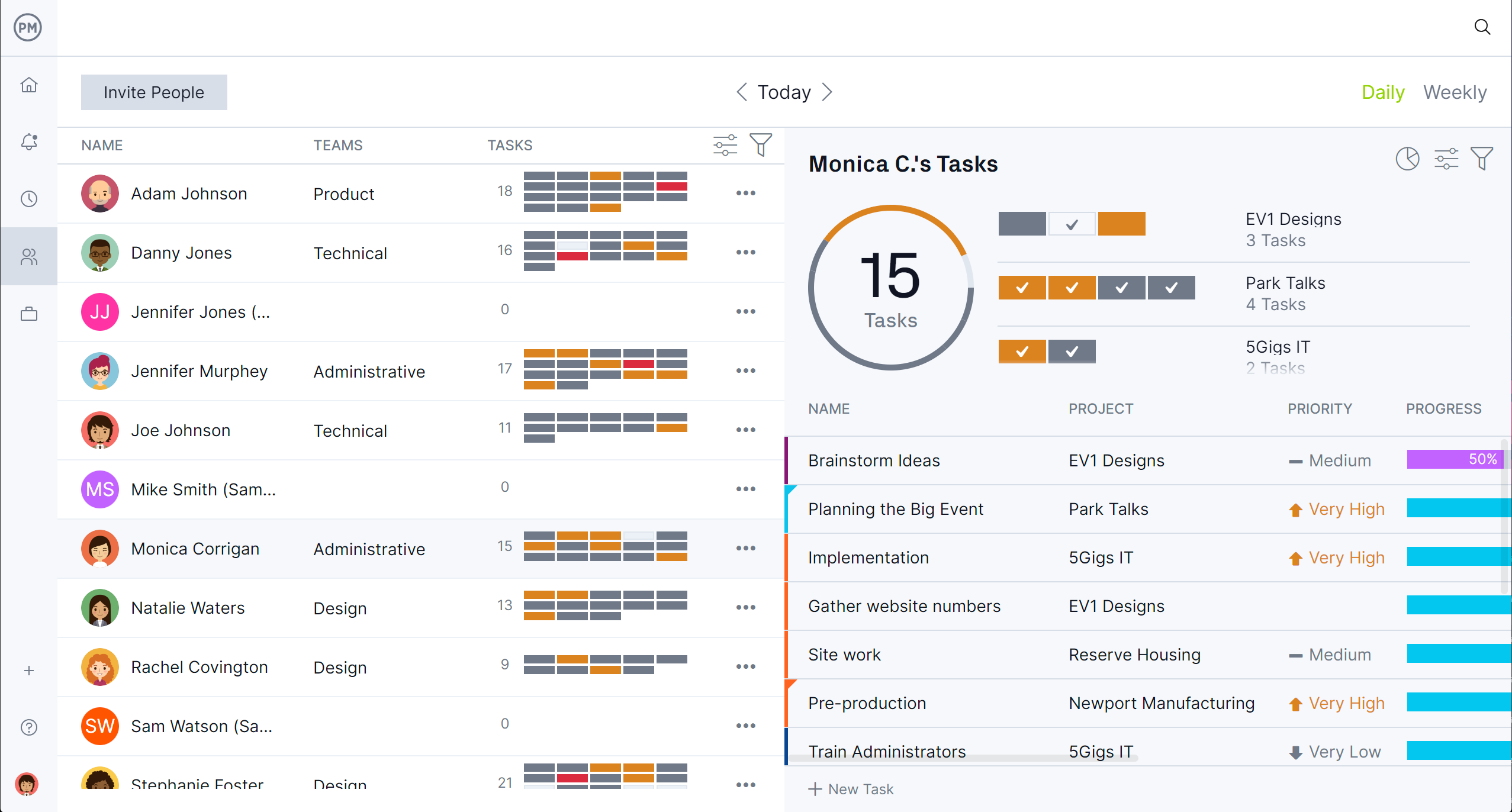
Those are the features that make ProjectManager the best production scheduling software, but we didn’t even touch on how it excels at task management and risk management, including its time tracking and reporting features. Check out those and more by getting started with ProjectManager today for free.
Verdict: Best Production Scheduling Software for Manufacturing Projects
ProjectManager Pros & Key Features
- Workload charts for accurate resource utilization, balancing workload and real-time resource allocation
- Real-time dashboards and timesheets for cost and time tracking, monitoring key performance indicators and labor costs
- Workflow automation and task approval settings to ensure quality deliverables while working more efficiently
- Global search and version control to revert to older plans if necessary
- Risk management features, including graphics to gauge impact and likelihood
- Free 30-day trial
- Mobile app for Android and iOS
ProjectManager Cons & Limitations
- Doesn’t have built-in ERP tools, but integrates with Acumatica
- Missing some manufacturing-specific features
- Limited bill of materials support for assembly sequences
- Doesn’t have a free plan
ProjectManager Pricing
- Team plan: $15/user/month
- Business plan: $28/user/month
- Enterprise plan: Contact sales
ProjectManager Reviews
- G2 review: 4.4/5
- Capterra review: 4.1/5
- Getapp review: 4.1/5
Highlighted User Reviews
- “ProjectManager works very well with both large and small-scale projects. Being able to use this with anything from a project involving only two members of staff, to hundreds, has been invaluable.” Peter W – from Capterra
- “We used to manage our projects, resources, and reporting in different systems. Enter ProjectManager. We have consolidated systems and work more efficiently.” Jeffrey M – from Capterra
- “Having the full scope of activities and who is responsible to do it, plus the time tracking is excellent.” Flavio M – from G2
- “It has an excellent accounting system capable of calculating the time that a person has used to develop a task that was assigned to him, I like being able to collaborate with all my colleagues in the Finance sector through ProjectManager.” Jesus C – from G2
- “The UI of the application is user-friendly, and it helps to identify what we are looking for with minimal effort.” Pavan H – from G2
- “It’s a solid platform and has very good customer service. you can send collaboration invitations to your customers or partners, without the need for a setup or anything extra. What I like is that the website is always online, does not fall and is easy and intuitive to manage.” Aleksei V – from GetApp
2. Monday.com

Monday.com promises to increase efficiency and accuracy while making it easier to manage internal and external orders. They have customized workflows that allow users to add and remove steps and add assignees. Workflows can be tailored to meet your production scheduling software requirements.
It allows users to manage all manufacturing processes in one place, adding visibility and notifications. There are features to track production processes, capture customer orders and requests, and even reporting tools and a variety of templates to help you get started.
Related: Best Monday.com Alternatives: Free & Paid Options Ranked (2026)
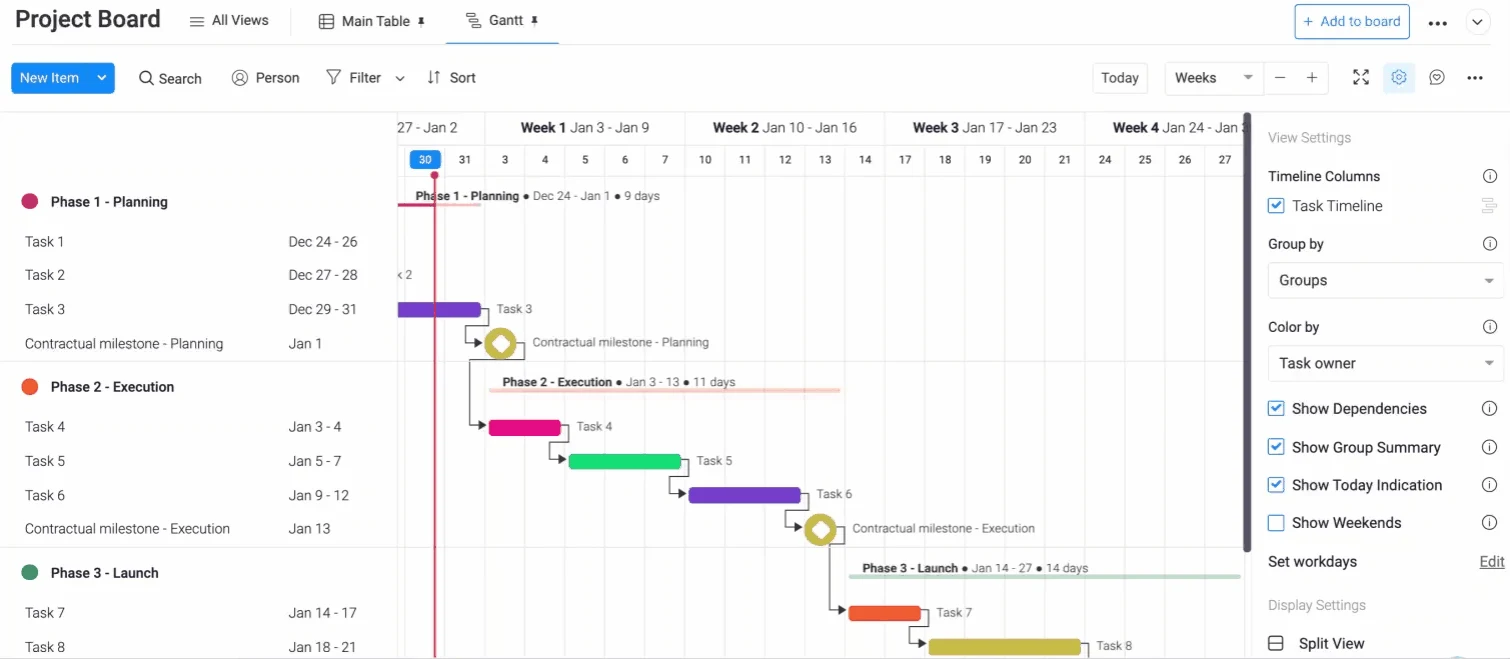
Monday.com’s cost has been increasing and it’s getting to the point where it might no longer be worth the expense. Onboarding and training are difficult and customer support is distant. This gets worse the larger the project. Even the reporting features are limited. It’s really a task management tool and its automation, which is critical for production scheduling software, is confusing.
Related: Monday.com Gantt Chart: How to Make a Gantt Chart With Monday.com
Verdict: Best Production Scheduling Software for Collaboration
Monday.com Pros & Key Features
- Easy-to-use task management boards, which are intuitive, organize tasks and facilitate efficient project management
- Workflow tools for manufacturing projects include customizable templates and tools that help manage production processes
- Customizable dashboards for production oversight offer a centralized view of operations
- Has a 14-day free trial
- Has a mobile project management for Android and iOS
Monday.com Cons & Limitations
- Limited project scheduling features, more geared towards task and workflow management
- Cost-tracking features require a manual-intensive setup
- Project dashboard features are limited
- Lacks drag and drop dependencies, they must be manually set up in the table view, which is unintuitive
- It has only one type of dependencies, finish to start, but not the other three types
- There is no integrated cost tracking, it must be manually setup
Monday.com Pricing
- Basic: $8/user/month
- Standard: $10/user/month
- Pro: $16/user/month
Monday.com Reviews
- G2 review: 4.7/5
- Capterra review: 4.6/5
- Getapp review: 4.6/5
Highlighted User Reviews
- “I truly recommend using Monday to small to medium scale enterprises because of its ease of use.” Vikas G – from G2
- “I really like the monday work management interface.” Luiz Fernando J – from G2
- “I love how when you share google drive files it allows for a preview to show reducing the amount of bouncing in and out of the platform which creates more productivity.” Amanda Hopkins – from GetApp
3. SAP S/4HANA
SAP S/4HANA is one of the world’s most widely used enterprise ERP platforms, with production scheduling capabilities built directly into its core manufacturing suite. Its Advanced Planning and Scheduling (APS) module handles complex finite capacity planning, helping large manufacturers optimize machine utilization, coordinate materials and model multi-constraint production scenarios. With real-time integration across procurement, inventory, shop floor execution and financial reporting, SAP S/4HANA gives enterprise manufacturers end-to-end visibility into their production operations from a single system.
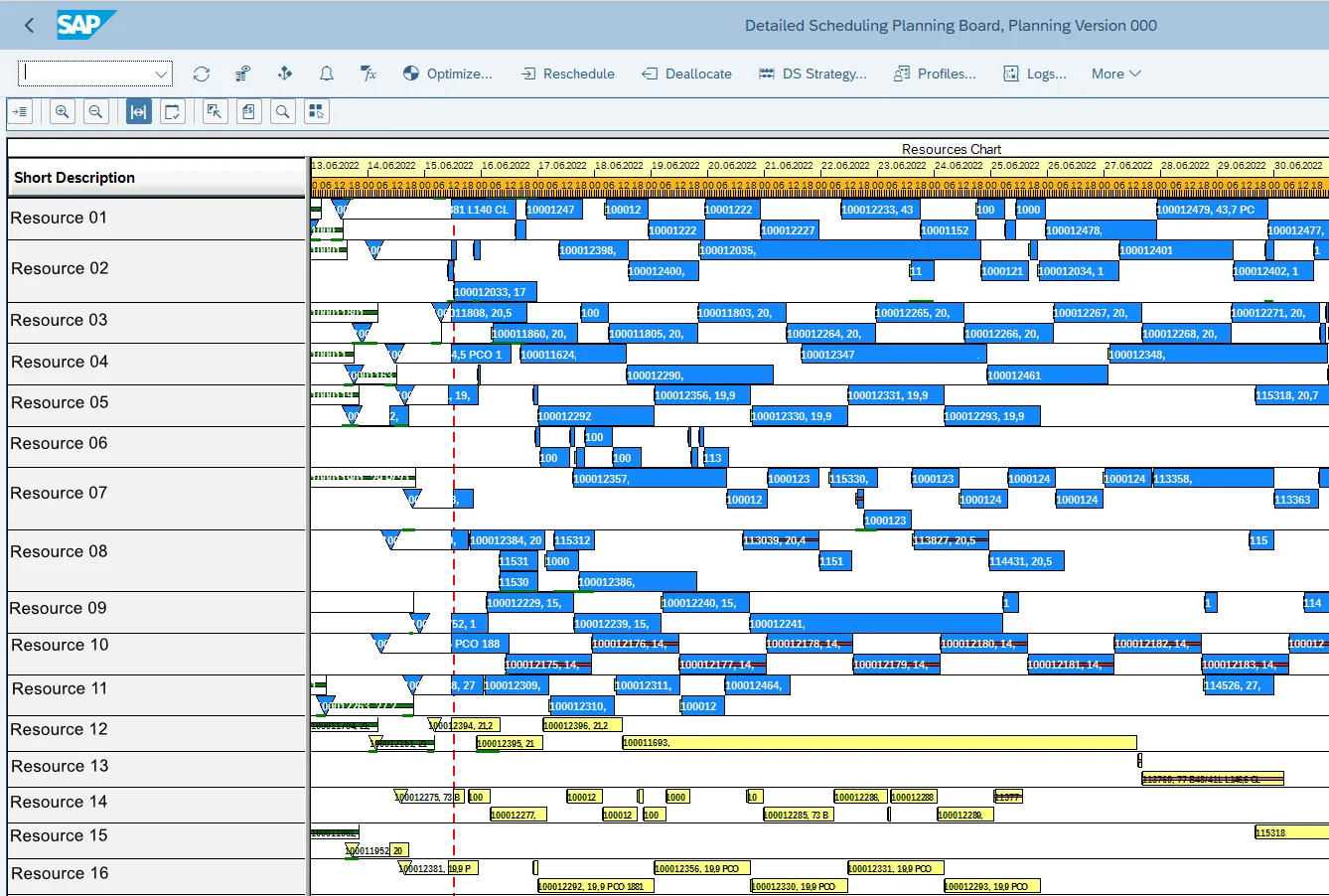
As the dominant ERP for global manufacturers in industries ranging from automotive to chemicals to consumer goods, SAP S/4HANA brings a depth of manufacturing functionality that few platforms can match. Its production orders, work center scheduling and material requirements planning (MRP) are tightly integrated, which means schedule changes cascade automatically across procurement and inventory—reducing manual rework and improving accuracy. The platform’s real-time analytics and embedded machine learning help production managers identify bottlenecks and optimize sequences before they impact delivery timelines.
That said, SAP S/4HANA is enterprise-grade software with enterprise-grade complexity. Implementation typically requires months of setup, dedicated consultants and significant IT investment—total cost of ownership over three years can exceed $2M for large teams. Licensing starts at $180/user/month for the public cloud edition and climbs steeply from there. For smaller manufacturers or teams without dedicated IT resources, this is likely more system than they need.
Verdict: Best Production Scheduling Software for Enterprise Manufacturing
SAP S/4HANA Pros & Key Features
- Advanced Planning and Scheduling (APS) module handles finite capacity planning and multi-constraint production scenarios
- Real-time integration across procurement, inventory and shop floor execution eliminates manual data handoffs
- Material requirements planning (MRP) automatically cascades schedule changes to purchasing and inventory
- Industry-specific functionality for automotive, chemicals, consumer goods, discrete manufacturing and more
- Embedded analytics and machine learning for production optimization and bottleneck identification
- Available as public cloud, private cloud and on-premise deployments
SAP S/4HANA Cons & Limitations
- Extremely high total cost of ownership; licensing starts at $180/user/month with implementation costs often exceeding $500K
- Implementation is lengthy and complex, typically requiring dedicated SAP consultants and months of configuration
- Steep learning curve; significant training is required before teams can use it productively
- Not suitable for small or mid-sized manufacturers without a dedicated IT team
- Interface is less intuitive than modern cloud-native tools, which can slow adoption
- Customizations are expensive to build and maintain over time
SAP S/4HANA Pricing
- Public Cloud: Starting at $180/user/month
- Private Cloud & On-Premise: Contact sales
SAP S/4HANA Reviews
- G2 review: 4.3/5
- Capterra review: 4.3/5
- Getapp review: 4.3/5
Highlighted User Reviews
- “The thing I like most about this is that you can manage all the Enterprise Resources, so that you can get better efficiency.” Javier R. – from Capterra
4. Smartsheet
Smartsheet is a flexible work management platform that has become a go-to choice for production scheduling in operations-heavy environments. Its spreadsheet-style interface, combined with powerful Gantt chart views, resource management tools and automated workflows, makes it easy for manufacturing teams to build and maintain complex production schedules without a steep learning curve. Operations managers who are comfortable with Excel will find Smartsheet intuitive from day one, while gaining the collaboration and real-time visibility that spreadsheets can’t provide.

Smartsheet’s automation capabilities stand out for production scheduling use cases. Teams can set up automated alerts when tasks fall behind, trigger handoffs between production stages and keep stakeholders updated without manual status reports. Its dashboards give production managers a real-time view of schedule health across multiple projects, and its reporting tools make it easy to surface delays before they compound. The platform integrates well with tools manufacturers already use, including Microsoft 365, Salesforce and Jira.
The main limitation is that Smartsheet is a work management tool, not a manufacturing system. It has no native inventory management, bill of materials support, MRP functionality or shop floor control. It works best as a scheduling and coordination layer, and will need to be paired with a dedicated manufacturing or ERP system if those capabilities are required.
Verdict: Best Production Scheduling Software for Scheduling and Visibility
Smartsheet Pros & Key Features
- Intuitive spreadsheet-style interface that is familiar to teams coming from Excel-based scheduling
- Gantt chart views with dependency linking for building and managing detailed production timelines
- Automated workflows to trigger alerts, handoffs and status updates without manual intervention
- Real-time dashboards for tracking production schedule health across multiple projects
- Strong integrations with Microsoft 365, Salesforce, Jira and other enterprise tools
- Free trial available
- Mobile app for Android and iOS
Smartsheet Cons & Limitations
- No native inventory management, MRP or bill of materials support
- Not a manufacturing system—works best as a coordination layer alongside a dedicated ERP or MRP tool
- Business plan pricing ($32/user/month) can become expensive for larger teams
- Advanced features like cross-sheet formulas and dynamic views require higher-tier plans
- Limited resource scheduling depth compared to dedicated manufacturing tools
- No built-in time tracking on lower-tier plans
Smartsheet Pricing
- Pro: $9/user/month
- Business: $19/user/month
- Enterprise: Contact sales
Smartsheet Reviews
- G2 review: 4.4/5
- Capterra review: 4.5/5
- Getapp review: 4.5/5
Highlighted User Reviews
- “Smartsheet has allowed me to take my to-do list and run with it in a way that I didn’t think would be possible.” Victoria W – from G2
- “SmartSheet is my go-to for project tracking and timelines. It’s like Excel but way smarter.” Michael J – from GetApp
5. NetSuite
 NetSuite is production scheduling software with a task scheduler that has drag-and-drop scheduling capabilities. You can automatically schedule work orders as they’re created or when they reach a specific status. A manufacturing workbench is a single place to configure work, such as setting up runs, lag and hold time batch configuration, etc.
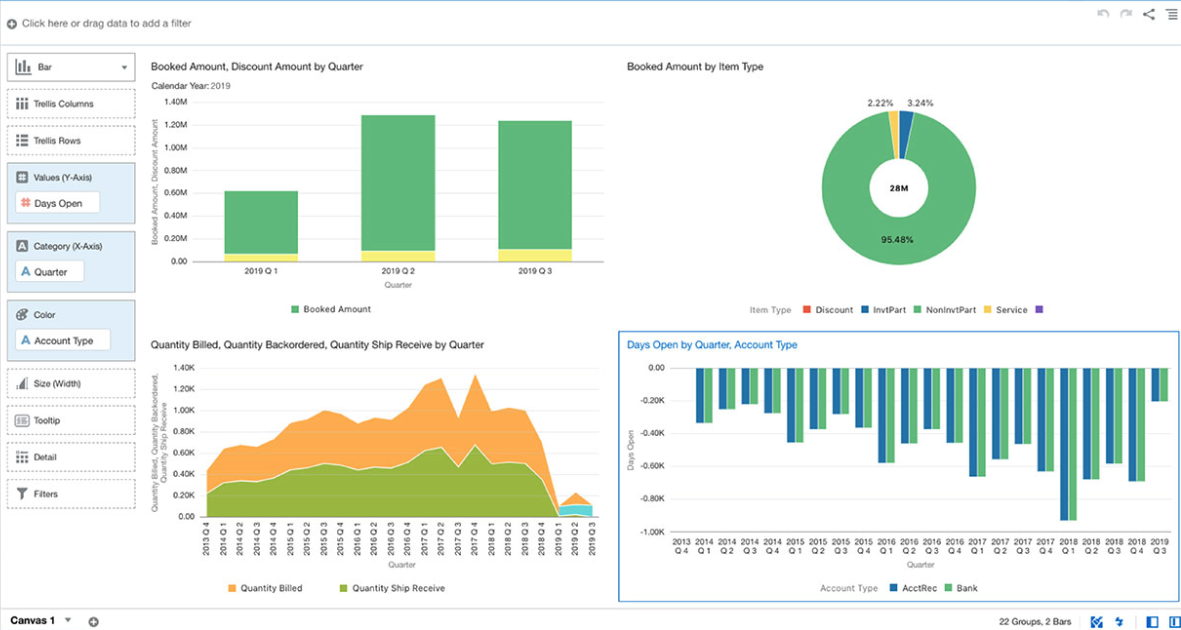
If you’re a manufacturer who makes products in batches, the tool has batch scheduling. A shop calendar defines when resources are available, but all this comes at a steep price that’s likely outside of what a manufacturer can afford to spend.
Not only is the pricing high, but it’s subject to change and that often happens just as you’re about to renew. For such complicated software, there’s little support. Of course, you can get additional support for an additional cost. If you want to customize reports, that’s not something that you can easily do. It might be all-in-one in terms of production scheduling software, but can you afford or even understand it?
Verdict: Best Production Scheduling Software for Scheduling Tasks
NetSuite Pros & Key Features
- Batch-scheduling features enables manufacturers to schedule production in batches, optimizing machine use and reducing downtime
- Manufacturing workbench configures work provides a centralized platform to define and configure work orders, routing and production processes
- Built-in inventory and supply chain management integrates production scheduling directly with inventory, procurement and supply chain modules
- Offers a free 14-day trial
- Mobile app available for Android and iOS
NetSuite Cons & Limitations
- Designed for large corporations with IT teams, smaller companies might find its complexity overwhelming
- Difficult to implement, steep learning curve which requires employee training, customization and resource intensive onboarding
- It’s an expensive software that requires add-ons to meet the specific requirements of organizations increasing the total cost of ownership
- Limited flexibility without customization, which can be extensive and raise costs
- Slow support response and reliance on third parties for technical assistance and ongoing maintenance
- Overkill for simple manufacturing operations can make the software feel bloated
NetSuite Pricing
- Contact for quote (average $99/month)
NetSuite Reviews
- G2 review: 4/5
- Capterra review: 4.2/5
- Getapp review: 4.2/5
Highlighted User Reviews
- “The best part about NetSuite is the ease of use for new users across our organization.” Joe W – from G2
- “NetSuite was the easiest ERP Software to learn and use.” Wes P – from Capterra
- “Netsuite is a platform our company will be able to grow with. The functionality is easy to use and allows for a real time look at the health of our business.” Raji A – from GetApp
6. ClickUp

ClickUp is one of the fastest-growing project management platforms available, and its versatility makes it a strong contender for production scheduling in manufacturing environments. Teams can build out detailed production schedules using ClickUp’s Gantt chart, timeline views, custom task statuses and powerful automations—all within a single workspace. Its all-in-one approach means production managers can track tasks, assign resources, collaborate with cross-functional teams and generate reports without switching between tools.

ClickUp’s flexibility is one of its strongest selling points for manufacturing teams. Custom fields, custom views and highly configurable workflows mean you can model your production process almost exactly as it runs on the floor, rather than forcing your operations into a rigid software structure. Its free plan is generous for small teams, and the paid tiers are among the most affordable in this list while still offering a deep feature set including dependency management, workload views and resource tracking.
That flexibility, however, comes with a learning curve. The sheer number of settings and options can be overwhelming for new users, and teams without dedicated project management experience may struggle to set it up effectively. ClickUp also lacks manufacturing-specific capabilities like MRP, inventory tracking or bill of materials management, so it functions best as the scheduling and coordination backbone of a broader manufacturing tech stack.
Verdict: Best Production Scheduling Software for Flexibility and Customization
ClickUp Pros & Key Features
- Highly customizable views including Gantt, timeline, kanban, calendar and list for flexible production scheduling
- Custom task statuses and workflows that can map closely to your actual production stages
- Powerful automation tools to reduce manual work and keep production moving between stages
- Workload management views to balance task assignments across production team members
- Generous free plan; paid tiers are among the most affordable in this list
- Mobile app for Android and iOS
ClickUp Cons & Limitations
- Steep learning curve due to the volume of settings, views and configuration options
- No native inventory management, MRP or bill of materials support
- Not a manufacturing system—requires pairing with an ERP or MRP tool for full production management
- Performance can slow with very large task lists or complex automations
- Customer support response times have been inconsistent on lower-tier plans
- Reporting features are less advanced than dedicated project management tools
ClickUp Pricing
- Free plan available
- Unlimited: $7/user/month
- Business: $12/user/month
- Business Plus: $19/user/month
- Enterprise: Contact sales
ClickUp Reviews
- G2 review: 4.7/5
- Capterra review: 4.6/5
- Getapp review: 4.7/5
Highlighted User Reviews
- “ClickUp has become an essential tool for managing error tracking, team communication, and task follow-ups.” Nebi K – from G2
- “I like the design in general—crisp, and minimalistic enough.” Ole K – from G2
7. MRPeasy
 MRPeasy is production scheduling software with planning and procurement features. It’s built for small to mid-sized manufacturing companies and helps to allocate their resources. The software helps plan costs and production, with administration and bill features. It tracks serial numbers and works well with lean manufacturing.
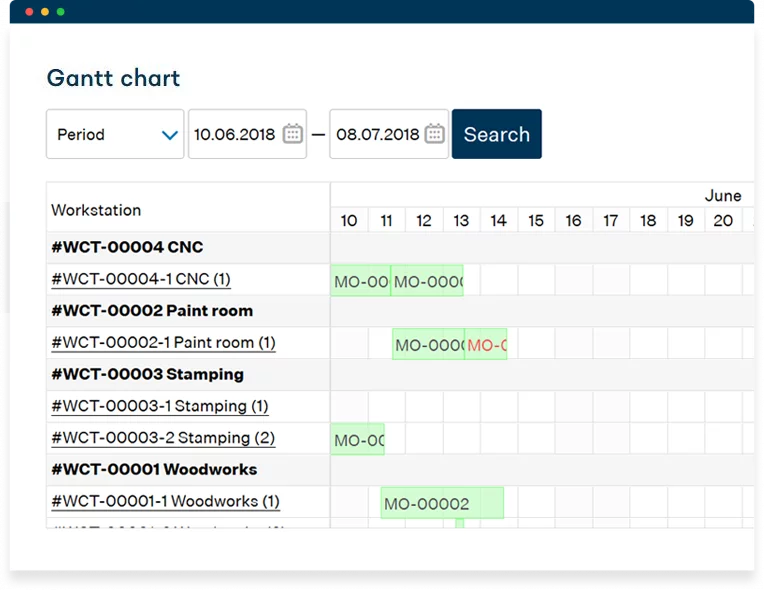
You can keep track of your customer information, including history and account purchases. It integrates with QuickBooks and Xero, with APIs for third-party applications. There are four pricing tiers, but there’s no free or even affordable option.
The problem is, if you buy the cheapest version of the software, you’ll only be able to do straightforward activities. Even some of those more expensive tools don’t live up to the price tag, such as limited customization on its dashboard, reporting and statistics. You can’t even print the statistic graph if you need it for a presentation.
Verdict: Best Production Scheduling Software for Procurement
MRPeasy Pros & Key Features
- Tracks customer information, which allows users to track customer details, order history and communications
- Integrates with QuickBooks and Xero helping manufacturers streamline invoicing, expense tracking and financial reporting
- Built-in production planning and inventory management for real-time visibility into project schedules, inventory levels and material requirements
- Offers a free trial
- Mobile app available for Android and iOS
MRPeasy Cons & Limitations
- Only offers a calendar view for scheduling production processes, which is restrictive for users accustomed to more dynamic tools like Gantt charts
- Relies on integrations, which means additional costs for a fully functional version of the software, which add subscription fees and setup complexity
- Doesn’t have workload management tools for balancing workloads across employees or machines
- Limited customization of workflows that can frustrate manufacturers with specialized processes
- No native mobile app that is a drawback for teams that need to manage operations on the go
- Steep learning curve for non-technical users that demands training
MRPeasy Pricing
- Starter $49/user/month
- Professional $69/user/month
- Enterprise $99/user/month
- Unlimited $149/user/month
MRPeasy Reviews
- G2 review: 4.5/5
- Capterra review: 4.5/5
- Getapp review: 4.6/5
Highlighted User Reviews
- “It covers all the essential features I need to manage my manufacturing processes, from inventory tracking to order management, without overwhelming me with complexity.” Alice B – from G2
- “It provided a solid foundation for managing manufacturing processes and streamlining operations.” Marek T – from Capterra
- “Overall functionality from controlling customer orders to inventory is pretty smooth and seamless.” Christopher H – from GetApp
8. Wrike
 Wrike isn’t necessarily the go-to tool for manufacturers; it’s more of a fit for marketers, digital agencies and professional services. However, it’s a simple, effective and collaborative project management solution that can help with certain aspects of production scheduling. Wrike has a project schedule template that can break down the larger production process into small actionable items. Then you can assign due dates and track progress. Additionally, you can use the built-in chat function, risk protection, and, in terms of production scheduling software, it monitors workloads and activities. It’s also easy to track progress, bill and invoice.
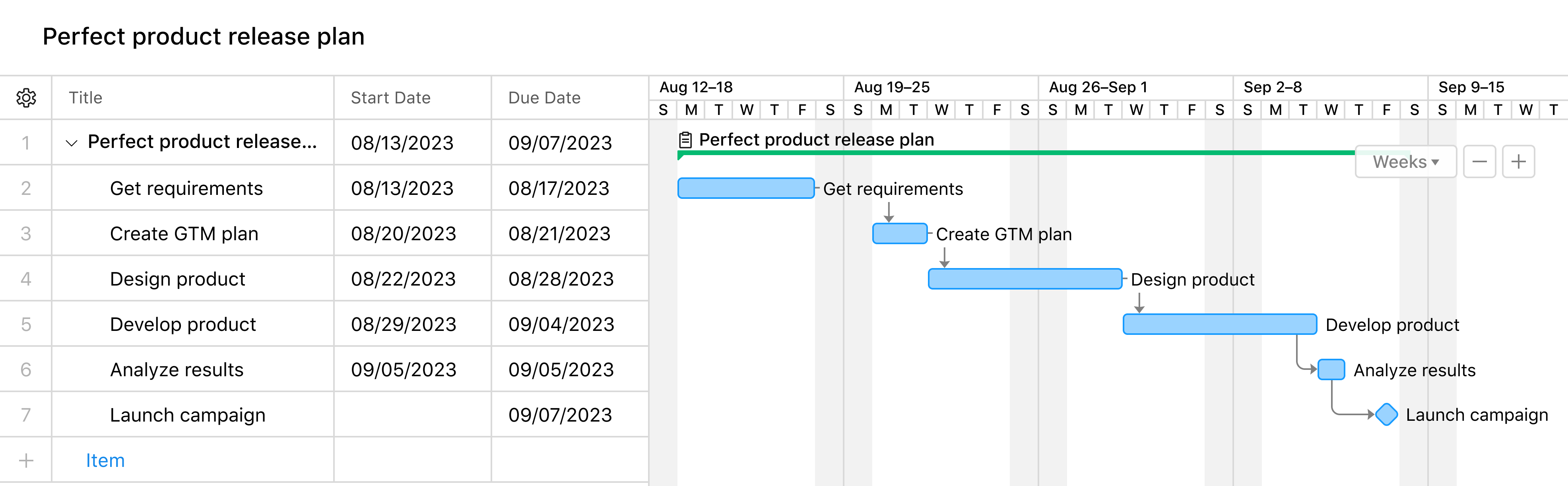
However, Wrike has features, such as its Gantt chart, that aren’t intuitive. The kanban can only view tasks, not projects, and there’s no portfolio-level reporting for manufacturers who are running multiple projects. It mostly leans on its lists, but still requires a lot of time to understand how to use it as a production scheduling software. The automation features are poor, there aren’t many integrations and data and tasks can be hard to find.
Verdict: Best Production Scheduling Software for Risk Protection
Wrike Pros & Key Features
- Monitors workflows, activities, has automated workflows to minimize manual intervention
- Helps track the progress of your team with customizable dashboards
- Interactive Gantt charts facilitates real-time updates and aligns stakeholders
- Free 14-day trial
- Mobile app available for Android and iOS
Wrike Cons & Limitations
- The Gantt chart functionality is not ideal for production scheduling as it can be clunky with high-volume or repetitive manufacturing tasks
- Lack of resource management reports that provide deep reporting on capacity planning, labor utilization or shift scheduling
- Limited cost-tracking features for managing material costs, labor rates or overall production budgets
- Steep learning curve, especially for new users, who can feel overwhelmed by its complex interface
- Workflow automation is basic for manufacturing needs, doesn’t support conditional logic or advanced triggers
- No built-in inventory or supply chain tracking to manage raw materials, order tracking or vendor coordination
Wrike Pricing
- Team plan: $9.80/user/month (2-user minimum)
- Business plan: $24.80/user/month (5-user minimum)
Wrike Reviews
- G2 review: 4.2/5
- Capterra review: 4.4/5
- Getapp review: 4.4/5
Highlighted User Reviews
- “Wrike has become essential in my day and keeps me organized and on top of my tasks.” Paige T – from G2
- “Productivity has been enhanced by removing essential but repetitive chores.” Denise S – from G2
- “Wrike has allowed better management of planning or organization of business projects thanks to the fact that it provides the tools that adjust to the needs of each team, achieving that the collaboration is much more efficient and thus the productivity is increased in a successful way.” Caroline Smith – from GetApp
9. Katana MRP
 Katana MRP is production scheduling software that focuses on materials requirement planning for small and medium-sized manufacturers. It also has inventory management tools. It can automate workflows, prioritize orders and provide visibility into the availability of raw materials and finished goods.
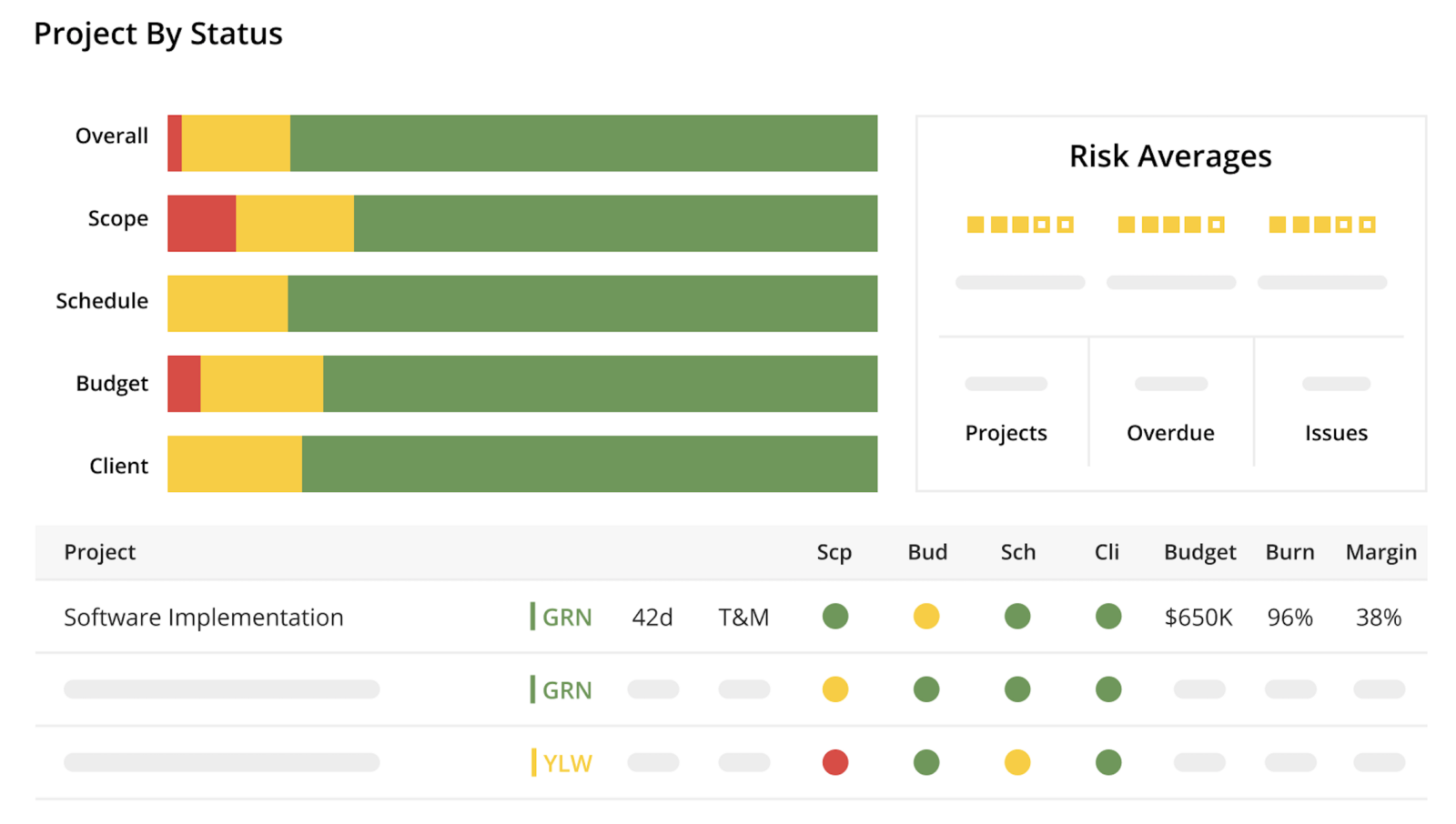
Its dashboard provides a real-time picture of production. It has a shop floor control function that lets users see the manufacturing order and ingredient list for tasks. There’s a visual planning tool that allows you to view supplier prices.
But surprisingly, it doesn’t allow you to track shipping supplies. It’s also not the easiest software to learn how to use, plus you have to create ingredients for each product, which is time-consuming. There are a lot of features, but you’ll be paying top dollar for them. User permissions also need improvement.
Verdict: Best Production Scheduling Software for Materials Requirement Planning
Katana Pros & Key Features
- Automated workflows allow manufacturers to set up rules that automatically trigger actions
- Visibility into the availability of raw materials and levels directly to production orders
- Seamless integration with e-commerce and accounting platforms
- Offers a free 14-day trial
Katana Cons & Limitations
- Limited production planning and scheduling features lacks depth of tools like Gantt charts
- No workload management features, such as resource leveling or shift planning
- No project status, cost or health reports limits usefulness for manufacturers who need insights into job-level financial performance or progress
- Lacks native CRM and customer communication tools so users must integrate with external CRMs to track leads, manage customer interactions or over the sales funnel
- No built-in quality control tools for managing inspections, defect tracking or compliance documentation
- Limited customization of workflows and statuses makes it hard to tailor the system to unique production processes
- No mobile app
Katana Pricing
- Essential $99/user/month
- Advanced $299/user/month
- Professional $599/user/month
- Enterprise, contact sales
Katana Reviews
- G2 review: 4.4/5
- Capterra review: 4.2/5
- Getapp review: 4.2/5
Highlighted User Reviews
- “I’ve found Katana to be quite easy to use and operate.” Lucas M – from G2
- “The Excel templates allow for bulk uploads of all of the required data categories which don’t need to be uploaded manually.” Brent T – from Capterra
- “Since it integrates with my Shopify store, I now have a closed loop system that can tell me what I need to make, and how much of each part I need to make.” Jordan Berke – from GetApp
10. Fishbowl
 Fishbowl Inventory is flexible ERP software that provides users with visibility into warehouse and manufacturing workflows. It integrates with Xero, QuickBooks and Reckon Accounts. The software is essentially made up of two plans, one being Fishbowl Manufacturing, which is used for assembly, disassembly, repair, replacement and other jobs.
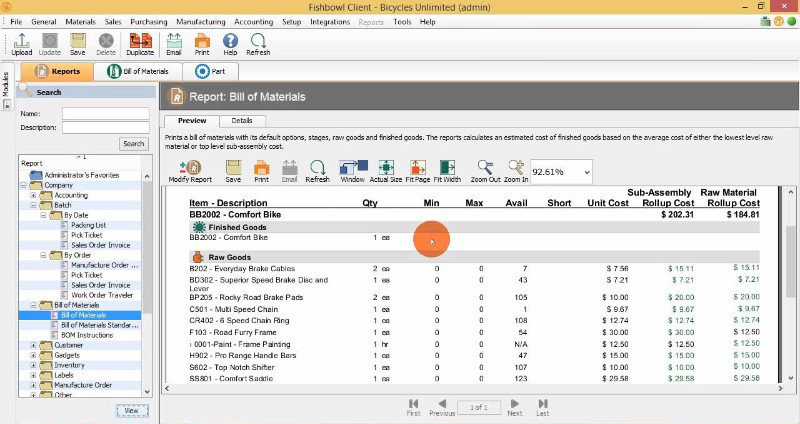
Fishbowl Warehouse works to track inventory. It gives stock alerts, reordering, receiving and shipping goods data. This wide range of features is very costly. You have to buy both plans, which cost thousands of dollars.
The high up-front cost is painful enough, then there’s the limited customization. Even the touted shipping features aren’t all they should be. You’d think customer support would fill in these holes, but it’s unreliable. Plus, product costs are averaged from past purchases so there’s no first in, first out (FIFO) or last in, last out (LIFO) support.
Verdict: Best Production Scheduling Software for Warehouse and Manufacturing Workflows
Fishbowl Inventory Pros & Key Features
- Tracks inventory and gives stock alerts across multiple locations, warehouses and product lines
- Has maintenance capabilities with built-in tools for managing equipment and scheduled maintenance
- Seamless integration with QuickBooks for end-to-end operations
- Offers a 14-day free trial
- Mobile app available for Android and iOS
Fishbowl Inventory Cons & Limitations
- Non-friendly user interface has outdated and clunky interface
- Few production scheduling features and steep learning curve with limited onboarding support
- Not ideal for managing manufacturing projects due to limited cloud capabilities
- Frequent updates can be disruptive and occasionally cause issues
- Customer support is hit-or-miss and can deliver generic responses that don’t resolve issues
- Requires third-party add-ons for full functionality that adds to the cost
Fishbowl Inventory Pricing
- Contact for quote (starting at $4,395)
Fishbowl Inventory Reviews
- G2 review: 4/5
- Capterra review: 4.2/5
- Getapp review: 4.2/5
Highlighted User Reviews
- “We were looking for a platform to help us keep up with our inventory quantities, costs, ordering, and manufacturing.” Bryan W – from G2
- “There is a learning curve but in the end you have what you need.” Rulon C – from Capterra
- “This software is easy to use and easy to deploy. Great extension for QB users. It can also connect Shopify, Amazon, Ebay, Shipping management such as Shiprush, etc.” Yuji I – from GetApp
Not Ready for Software? Try These Free Production Planning Templates
If you’re not ready to committ to a production scheduling software, don’t worry, we have plenty of free Excel templates to help you. These templates will help you organize your manufacturing processes, track progress and, of course, make a production schedule.
Production Schedule Template
This free production schedule template may not be as robust as production scheduling software, but it will help you organize your orders, inventory, ship dates and more. It’s an essential document for staying on top of your production cycle.

Gantt Chart Template
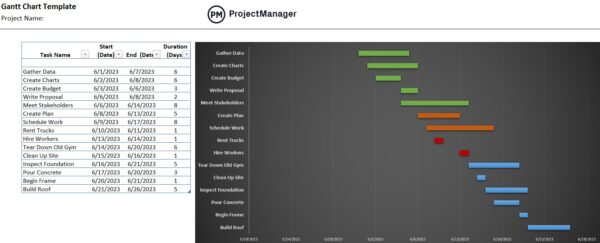
This free Gantt chart template will help you organize your production schedule tasks in a linear, descending order. That way, you’ll be able to stay on top of any dependencies and always understand what needs to come next to get your production done on time for your customer. After all, a Gantt chart is an essential feature for any production scheduling software.
Inventory Management Template
As you product products for your customers, obviously you’re going to have to stay on top of your inventory. This free inventory management template for Excel will help you stay fully stocked and avoid any outages during your production process. This one can even be paired with one of the above production scheduling software for a more comprehensive manufacturing management experience.

Production Flowchart Template
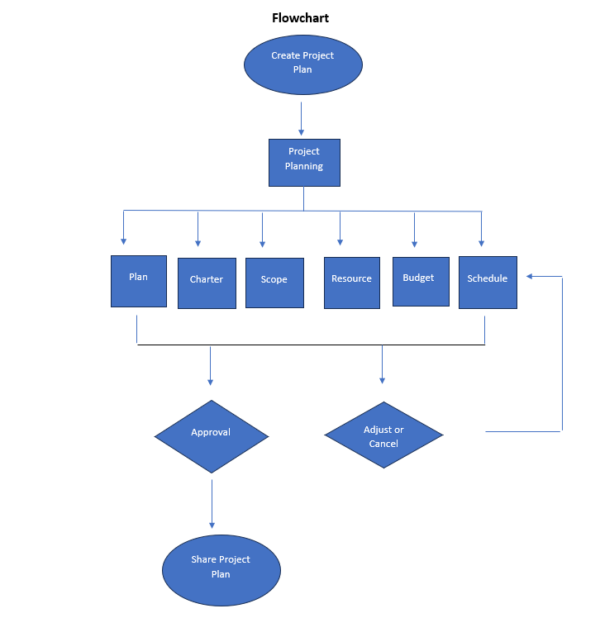
Sometimes you need to just think big picture. Our free flowchart template is prefect for mapping out all the big, important steps in your production process. Once you get that settled, you can go deeper and really build a detailed production schedule. Again, this can be paired with any of the best production scheduling software we identified above. We hope these templates help you on your manufacturing journey!
Related Content
- Best Project Management Software: Rankings, Reviews & Comparisons
- Production Management: A Quick Guide
- Production Planning in Manufacturing: Best Practices
- Production Scheduling Basics
- How to Create a Master Production Schedule (MPS)
- 10 Mejores software de programación de producción (2026)
- 10 meilleurs logiciels d’ordonnancement de la production (2026)
- 10 Beste Produktionsplanungssoftware (2026)
- Melhor software de programação de produção (2026)
ProjectManager is online production scheduling software that empowers everyone to plan, manage and track their production run in real time. It gives manufacturers automated and custom workload, task approval, filtered reports and much more. Get started with ProjectManager today for free.
